LATEST STORIES:
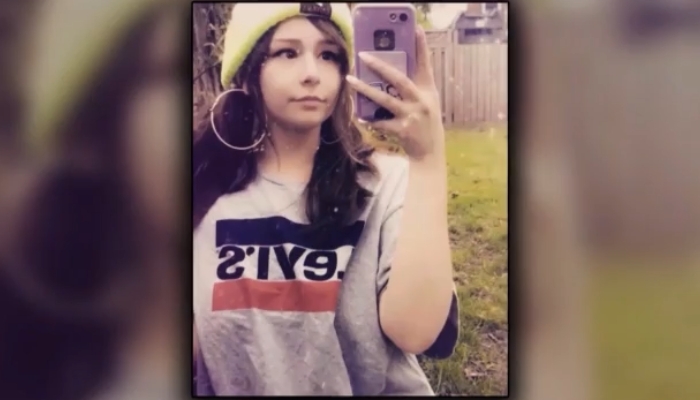
The family of Heather Winterstein says the truth has to come out following a verdict delivered by an inquest jury Thursday.
After weeks of testimony, the Office of the Chief Coroner determined that the 24-year-old Indigenous woman’s 2021 death was accidental but caused by delayed treatment for septic shock.
On top of the verdict, the jury also issued 68 recommendations to help improve the healthcare system, which include preventing deaths similar to Heather’s.
The lawyer representing Winterstein’s family tells CHCH News that the family finds the recommendations valuable to help prevent bias against Indigenous people in the healthcare system as well.
The proposed improvements were directed at entities like Niagara Health, Niagara EMS and the Ontario government.
“There’s no legal process that can bring legal justice for Heather, because in a just world, she’d still be here. But, the family was heartened by the jury’s verdict,” says the family’s lawyer, Rachel Gardner with Goldblatt Partner LLP.
“The jury accepted that there is nothing natural about being ignored to death and there’s nothing natural about a 24-year-old Indigenous woman dying of sepsis after getting herself to the hospital twice, in two consecutive days.”
It was December 9, 2021, when Winterstein went to a St. Catharines hospital emergency room with severe back pain.
READ MORE: Jury determines Heather Winterstein ‘died by non-natural causes’
Testimony revealed that she was sent home with Tylenol, but returned the next day and was left waiting for hours before she collapsed and died of sepsis.
The jury recommended a slew of changes for numerous parties including Niagara Health.
Such as implementing anti-bias training for all staff, collecting data of Indigenous patient experiences and an improved sepsis screening process.
In a statement, Niagara Health says they will implement the recommendations, adding “as shared during the inquest, we know that systemic racism exists in healthcare, and addressing it is essential to improving safety, trust and outcomes for Indigenous patients and their families.”
Meanwhile, Niagara EMS tells CHCH News that they welcome the recommendations and strive to make improvements as well.
“It’s bittersweet that a jury had to come back with 68 recommendations for Niagara Health and EMS. It really is bittersweet,” says Jennie Stevens, the Member of Provincial Parliament for St. Catharines.
While expressing her support for Winterstein and her family, Stevens says this is another moment for the province to re-think its healthcare workforce, structure and funding.
The Ministry of Health also received recommendations, which include providing sufficient funding for Niagara Health and EMS to fulfill their recommendations, funding for Niagara’s Indigenous health services and to mandate continuous training around Indigenous-led care.
“This is about a systematic issue, chronic under funding, staffing shortages and oversight. So, accountability must come from leadership,” says Stevens.
While responding to CHCH News, the Ministry of Health did not say if they will implement the recommendations but say it “expects every hospital to uphold the highest standard of patient care and to comply with requirements under the Public Hospitals Act (PHA) relating to the response and review of critical incidents to ensure they never happen again.”
The lawyer representing Heather Winterstein’s family says the family does have civil litigation suits pending against a number of institutions and people involved in Heather’s death. They include Niagara Health, EMS, a number of physicians and nurses.
WATCH MORE: Disagreement at Winterstein inquest over ‘homicide’ vs. ‘natural’ death classification