LATEST STORIES:

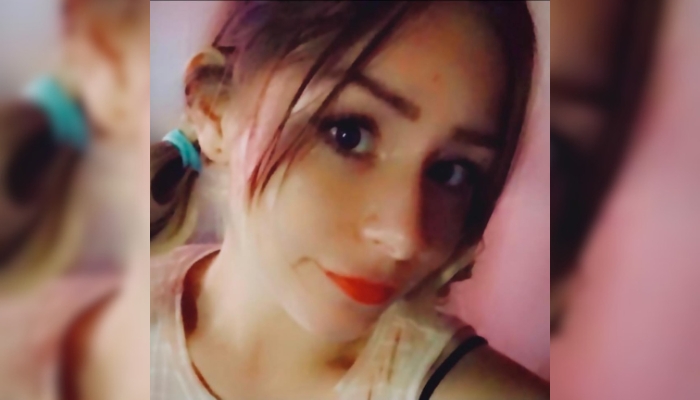
An inquest into the death of 24-year-old Heather Winterstein continued Friday, with the jury hearing that systemic bias may have played a role in the Indigenous woman’s treatment by emergency services.
Winterstein died of sepsis in December 2021 after a lengthy wait at the St. Catharines General Hospital emergency department.
On Dec. 9, 2021, Winterstein visited the emergency room seeking help for severe back pain. She was sent home with Tylenol and instructed to return if her symptoms worsened. She returned by ambulance the following day, but collapsed in the waiting room and later died.
A Niagara Emergency Medical Services (EMS) report presented to the jury detailed Winterstein’s condition at the time her father called 911. The inquest looked at whether critical information provided to the 911 call taker—including symptoms such as slow speech, back pain, grey skin and an inability to lift her legs—was properly passed on to paramedics.
The report noted several failures in protocol during the second medical response.
“The paramedic crew did not take a full set of vital signs until approximately 25 minutes after patient contact, and allowed the patient to walk to the ambulance,” the report stated. “This was not in accordance with the basic life support standards as the crew did not initially take vitals and assign the CTAS (Canadian Triage and Acuity Scale) level accordingly.”
WATCH MORE: Earlier care could have saved Indigenous woman who died in St. Catharines hospital, expert says
Niagara EMS suggested the response may have been influenced by systemic bias related to Winterstein’s Indigenous identity, her housing status and potential drug use.
“Some patients will be treated with bias at a systemic level,” said Ryan Pearson of Niagara EMS.
When asked by counsel for the inquest if there were policies worth changing, Pearson replied, “Absolutely.” He added that there are lessons to be learned from the tragedy to ensure improvements are made.
Pearson testified that Niagara EMS is in a constant state of learning, which includes training regarding complicit bias. He recommended that the jury consider increasing mobile integrated health services provided by paramedics.
He suggested more outreach and a proactive approach to health care to ensure a similar tragedy never happens again.
The inquest is expected to wrap up Monday, at which point the jury will provide recommendations to prevent future deaths in similar circumstances.
Niagara Health says it cannot comment on the ongoing inquest.
WATCH MORE: St. Catharines nurse describes ‘scary’ ER conditions at Indigenous woman’s inquest