LATEST STORIES:

Grim new numbers coming from Hamilton Public Health this month as the city says paramedics responded to 102 opioid-related calls in January — the seventh straight month of numbers in the triple digits.
But while paramedics say they’re seeing more and more calls coming in, fewer people are dying from the drugs.
“It’s all around us, right, anyone driving through the city can see people who are using drugs or incapacitated to a certain extent by the drugs,” said Hamilton Paramedics superintendent David Thompson. “It’s an epidemic.”
Sean Balfe is a mental health worker with St. Joseph’s Mobile Crisis Rapid Response Team (MCRRT). He and his colleagues head to the scene with police when they receive a call involving mental health or addiction issues — around 5 to 6 times a day if they’re busy.
That would include some of 102 times paramedics responded to calls involving opioids last month.
“It’s significant because the numbers continue to rise,” said Thompson.
New monthly data from paramedics and Hamilton’s Public Health unit shows a concerning trend, with the number of calls in the triple digits for the seventh month in a row.
While 102 calls in the month of January is down from the 132 paramedics responded to the month prior, it’s a steep jump from the 41 seen in January last year, or 58 the January before that.
WATCH MORE: Stoney Creek resident among 11 people facing 214 charges in drug, gun trafficking probe
The data also shows that the majority of calls are concentrated in the downtown core, though notably, most opioid-related deaths happen in a private residence, not on the streets.
“Our call volume is continuing to rise, despite the number of deaths in Hamilton dropping,” said Thompson. “There’s still a significant number of calls we’re responding to in the community.”
Public Health recorded 58 deaths due to opioids between January and the end of September 2025, down significantly from the 130 seen the year prior.
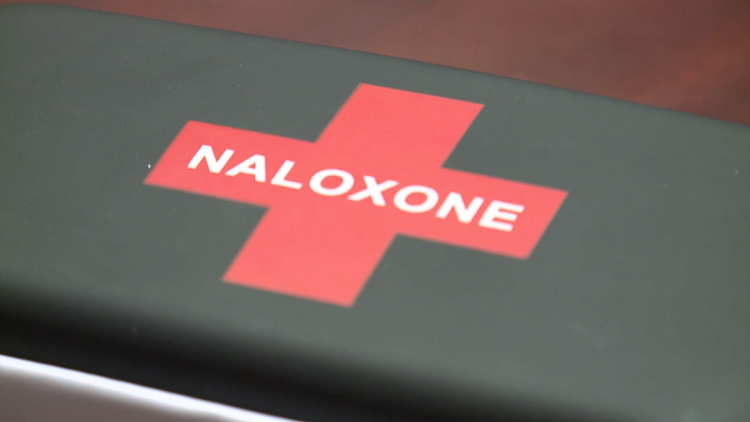
While Hamilton paramedics couldn’t say exactly why the number of fatal interactions with the drug are down, they do point to a steady distribution of naloxone in the past few years, with Public Health and pharmacies giving out more than 56,000 doses by the fall this year.
“We know that people are administering naloxone prior to paramedic arrival, so people are getting care quicker,” said Thompson. “It may not be from us, it may be from a by-stander or an allied agency.”
One of those allied agencies includes St. Joe’s MCRRT.
They say the concern is when naloxone doesn’t work, or takes several doses to be effective.
This can happen when people are mixing drugs, or if a drug supply has been poisoned, like the City of Hamilton warned about last summer.
“Because of the drug supply, the ability to respond to overdoses is complicated, and people’s lives are at risk to a greater extent,” said Balfe.
Naloxone can be found at a number of pharmacies in the city, free of charge.
READ MORE: Public health issues warning after rise in suspected opioid poisonings in Brantford-Brant