LATEST STORIES:

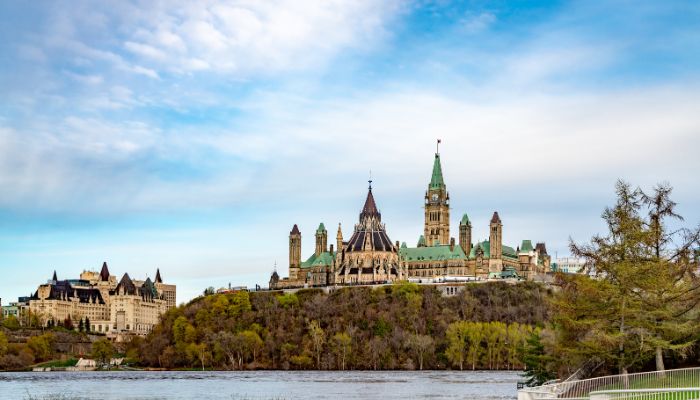
The federal government will be tabling its first budget on Tuesday.
The stakes are high as the government tries to navigate the economic upheaval brought on by Donald Trump’s tariffs amid the affordability crisis and to make things even more tense, if the budget doesn’t pass Canadians will have to go to the polls for another election.
Federal Finance Minister Francois-Philippe Champagne says there will be something for every Canadian and no surprises in the budget – which the government has promised will include “generational investments.”
“A budget that makes life more affordable, and creates opportunities for young people all over this country, a generational budget,” says Steven Mackinnon, the Transport Minister and Government House Leader.
READ MORE: How it started, how it ended: A chronology of Ontario’s ad blitz against U.S. tariffs
Prime Minister Mark Carney previously said building a new Canadian economy will come at a price.
“It will take some sacrifices and it will take some time,” Carney said on Oct. 22 in a speech.
The Carney liberals say the budget will be built around boosting investment in Canada, while tightening up government operational spending, and has already teased some of the items we can expect, including:
READ MORE: Ottawa launching dispute process against Stellantis over auto production relocation
Carney said during his pre-budget address two weeks ago, that the fiscal plan will include:
This includes $2 billion for a small modular nuclear reactor at the Darlington plant east of Toronto.
But all that spending is translating into an expected deficit of $70 billion or more, and servicing that debt will require money that could be used elsewhere.
“That interest becomes so great it starts to eat up other parts of the budget that we need for health care transfers to the provinces, that we need for infrastructure in the country and that we need for the military,” says Sahir Khan from the University of Ottawa.
READ MORE: Carney government to table fall budget, deficit could hit $90B
To get the budget passed, Carney’s minority will need the support of at least three oppositional Members of Parliament, or at least their abstentions.
“Which could be a tricky thing. Some of those opposition parties have made demands and if those aren’t met then it looks like they’ve capitulated,” says Lori Williams from Calgary’s Mount Royal University.
Since the budget is a confidence motion, if it fails, the carney government falls, and Canadians head to the polls just six months after the last election.
“If a budget brings down the cost of living, we’ll support it. If it brings up the cost of living just like every other liberal budget we will vote no,” Federal Conservative Leader Pierre Poilievre says.
READ MORE: Bank of Canada cuts interest rates to 2.25 per cent
In question period on Monday, Poilievre reiterated he will only support what he calls an “affordable budget,” and has indicated he wants tax cuts, and a cap on the deficit of $42 billion.
Interim NDP Leader Don Davies says abstentions are on the table, and he will wait to see what’s in the budget before deciding how to vote.
“The NDP’s gonna have a very hard time supporting a budget that is saying it wants to cut the size of the civil service,” Williams says.
The finance minister will table the budget Tuesday afternoon.
READ MORE: Forestry summit in Vancouver to address U.S. tariffs