
LATEST STORIES:

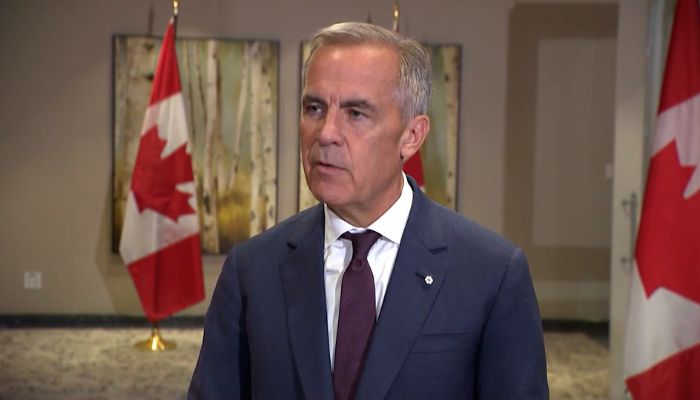
Prime Minister Mark Carney’s government is getting ready to table its first budget on Tuesday, one that will be markedly different from budgets of the past – and experts say the budget could include a deficit of up to $90 billion.
Typically budgets are announced in the spring, but the Carney government says, get used to budgets being laid out in the fall. The finance minister says a fall budget gives provinces a better sense of federal policy ahead of their own budget cycles.
While the Liberals say they’ll still present the government’s fiscal position with traditional metrics, this budget will inaugurate a new practice of dividing the budget into capital and operating streams, a practice followed in the United Kingdom.
“The Prime Minister has to show now what he’s going to [do to] help the economy. And he’s splitting the budget, so he’s going to have the operating budget, which is the government salaries, spending and all that sort of stuff. Then a capital budget, the investments as he puts it,” said Political Analyst Keith Leslie.
The fall economic statement tabled late last year before U.S. President Donald Trump’s trade war erupted projected a deficit of $42.2 billion for this fiscal year. Though some experts predict the deficit could now land between $75 billion to $90 billion this year.
“Some sacrifices have to be made. Is this going to mean deep cuts? Where are those cuts going to be made? And of course, one of the biggest things everyone is looking for is the deficit figure. There’s predictions it’s going to be double the current $42 billion or perhaps as high as $90 billion,” said Leslie.
“The fact is, they have a lot of new spending priorities. They need to increase defence spending to meet our two per cent of GDP target. And they also need to invest in ports, other types of infrastructure around the country and of course try to put a dent in the housing crisis that we have,” said Colin Mang, economics professor from McMaster University.
READ MORE: Carney says he told Ontario premier not to run anti-tariff ad, apologized to Trump
This budget is the Liberals’ first fiscal update in almost a year, and the first summary of Carney’s agenda since the party released its spring election platform.
Since then, key Canadian industries have taken a sharp hit from the trade war with the United States. A weaker economy means lower revenues for the government.
“Can Prime Minister Carney’s plans to get, you know, so much of our economy now – double what we used to get from the United States from other countries. His trip in Asia right now, he’s securing new deals. Can he get enough new money from these new deals to supplant the loss that we’re going to take from the U.S. tariffs,” said Leslie.
“We need to invest. The government has a plan to expand our exports beyond the United States, and that means we’re going to need new ports. We’re also going to need new rail and road infrastructure inside the country. That stuff doesn’t come cheap,” said Mang.
The federal budget, like any proposal for new spending, automatically becomes the subject of a confidence vote once it’s tabled as legislation in the House of Commons. Though, political experts say it will likely be passed despite the Liberals having a slim minority position.
WATCH MORE: Canola, seafood, electric vehicles at center of talks between PM Carney and Chinese President Xi Jinping