LATEST STORIES:

Negotiations over new tariffs are approaching the 11th hour tonight as Canada’s Trade Minister Dominic LeBlanc meets with White House officials to reach a deal before $20 billion worth of levies on a slew of Canadian products comes into effect at midnight.
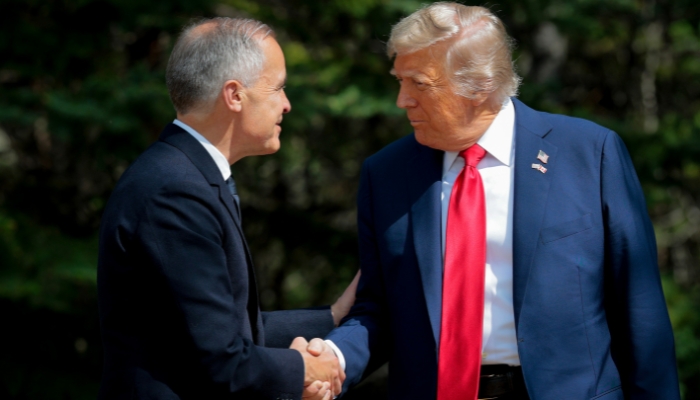
This also comes after Prime Minister Mark Carney and U.S. President Donald Trump have had several phone calls this week.
No word yet on the details regarding Carney and Trump’s recent discussion, but both leaders are expected to speak again later tonight. So far, economists believe both administrations are looking to avoid the 50 per cent tariffs, but remain far apart on CUSMA.
“We’re going to continue working, our job is not yet done,” LeBlanc said yesterday while leaving the White House.
Both countries are in the final hours of talks before Trump’s executive order goes into effect at midnight — new levies on $28 billion worth of goods, including hockey sticks, honey, cement, flowers and wine.
“Frankly, we’ll have opportunities over the next 48 hours to discuss in more detail as the negotiations go forward. And I think that’s the best forum on these discussions right now,” Carney said yesterday.
A Canadian Press source says Carney is set to have a late-night talk with U.S. President Donald Trump, less than 24 hours after having a phone call with him.
Details of their chat were not released, but Carney has said negotiations are “intense and delicate.”
WATCH MORE: U.S.-Canada negotiations continue, two days before Trump’s tariff deadline
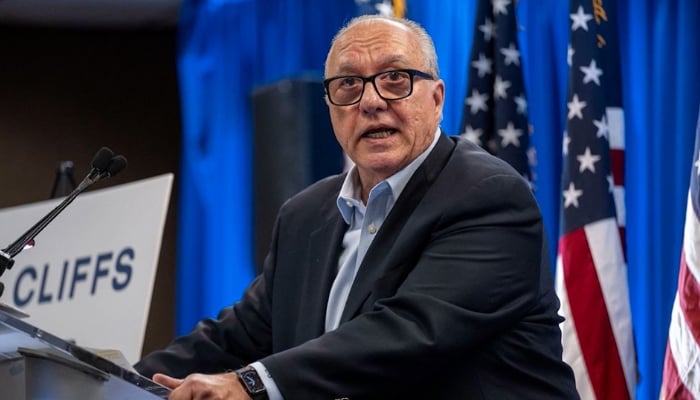
Meantime, concerns continue to mount, even south of the border. Today, the U.S. Chamber of Commerce released a statement, urging both governments to settle, adding in part: “The introduction of higher tariffs would damage both economies, drive up costs for U.S. families, further disrupt critical supply chains, and risk the 13 million American jobs.”
“I think it’s tough to tell at this point. There’s competing dynamics on each side. I do think at the end of the day, both sides are looking for an off-ramp here to avoid the tariffs going into place,” said Ryan Majerus, a former U.S. trade official with King & Spalding.
Majerus says the Trump administration aims to get Canada to buy more U.S. military equipment.
“Certainly, I think concessions on the Canadian side around the critical mineral space or the defense sector could be helpful. It’s kind of a short term step to get the U.S. to delay implementation of these tariffs,” Majerus said.
U.S. officials have also griped about a lack of access inside Canada’s supply management of dairy and American alcohol off Canadian shelves.
“Donald Trump is hurting us more with his comments and attitude towards Canada especially. Canada is Kentucky’s number one trading partner and they’ve been a good trading partner,” said Kentucky Gov. Andy Beshear.
In Ottawa, Canadian officials want relief from U.S. tariffs on softwood lumber, as well as steel and aluminum — key components to the Canada-U.S.-Mexico trade agreement.
“If CUSMA was broken, Canada would be facing, in today’s environment, something probably in the range of 10 to 15 per cent on all of our exports. That absolutely would destroy a lot of jobs,” said Joseph Steinberg, an economics professor at the University of Toronto.
Leading up to tonight’s deadline when the new 50 per cent tariffs are set to take effect, the Canadian Labour Congress also released a statement. They say they hope the Carney government is not afraid to walk away from a bad deal and expect much of Canada’s labour force to hold firm and have a plan to support workers in the meantime.
WATCH MORE: CUSMA’s demise could wipe out 100K Canadian and 200K U.S. jobs: report