LATEST STORIES:

The ongoing exchange of missile strikes between Iran, the U.S. and other nations appears to be drawing Europe into the war.
NATO members like the U.K., Italy and France are allowing western troops to use their bases and military equipment, while destruction ramps up across multiple countries.
Thursday marks the sixth day of combat between numerous countries.
Among many of Thursday’s attacks, the Israeli military says it sent air strikes at Hezbollah in Lebanon, Iran fired at a U.S. base in Iraq, and there was more destruction in the Iranian capital of Tehran.
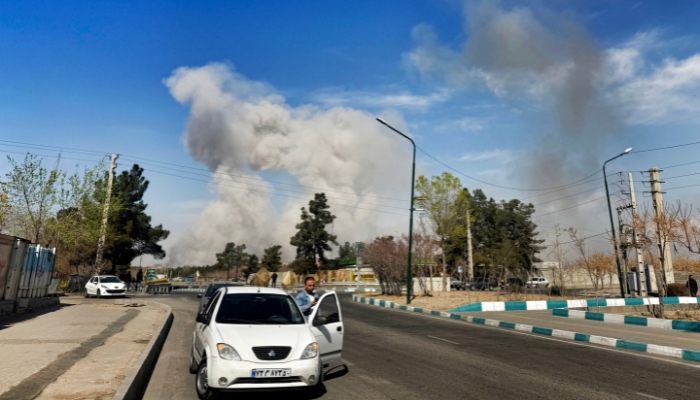
Smoke can be seen rising and billowing in the Iranian capital, following another air strike in the area.
WATCH MORE: Why is the war in Iran making Ontario gas prices rise?
Iranian state media says one of their major sports facilities was damaged in the attack.
The U.S.-Israeli campaign against Iran drew more retaliation from Iranian forces, as Israel says it had intercepted more missiles in their region.
There’s no confirmation regarding the number of deaths in Thursday’s region-wide strikes.
However, numerous officials from the U.S. and Iran say the death toll in this war so far is at least 1,230 people killed in Iran, more than 70 in Lebanon, around a dozen in Israel and six American troops.
Reports have indicated that more than a dozen nations are involved in the conflict, which then posed a question to NATO’s secretary general, on whether the alliance intends to become directly involved in the war.
WATCH MORE: U.S., Israel intensify attacks on military infrastructure, Iranian warship sunk
“Clearly, NATO is not itself involved here,” said NATO Secretary General Mark Rutte. “NATO allies are providing key enabling support.”
“What we see here is that NATO in that sense, is also this power projection platform for the United States, because without European allies, the U.S. would have found it very difficult to launch this campaign against Iran, because you’ve heard the German chancellor in the Oval Office and so many others — making sure that the U.S. can make use of these key enablers. But we are other than that, not directly involved,” Rutte went on to say.
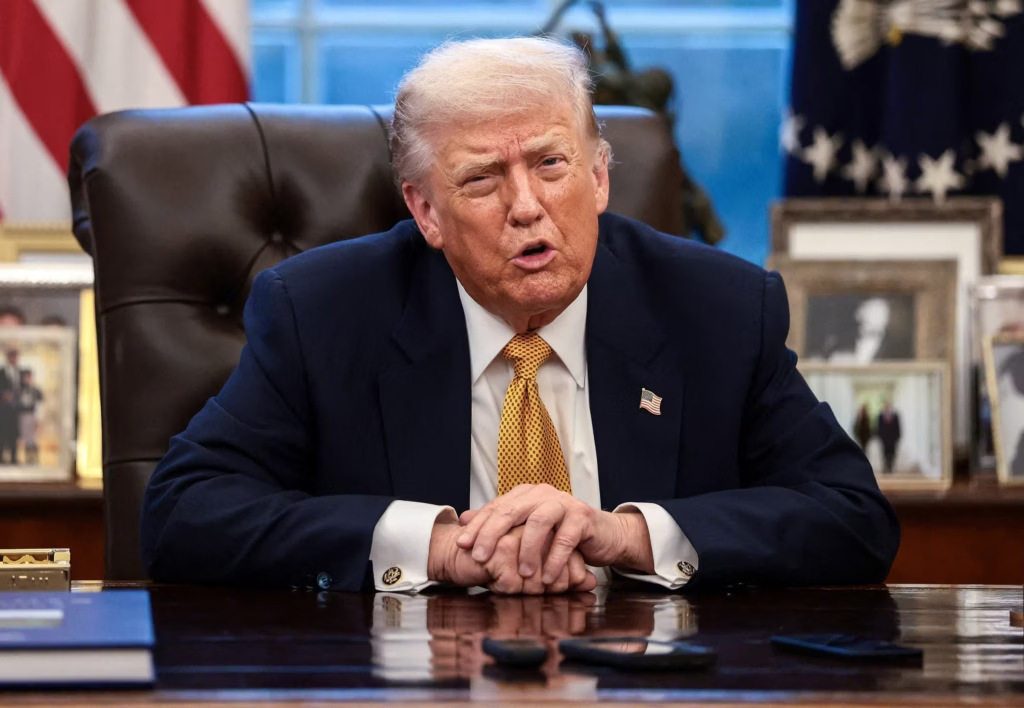
Meanwhile, after claiming to not want a regime change in Iran U.S. President Donald Trump changed his tune Thursday, saying that he wants to be involved in picking the next Iranian leader.
He claims he wants someone that will bring harmony and peace and says the son of Ayatollah Ali Khamenei is an “unacceptable” potential choice.
WATCH MORE: Hamilton couple makes daring overland crossing to escape Middle East