LATEST STORIES:

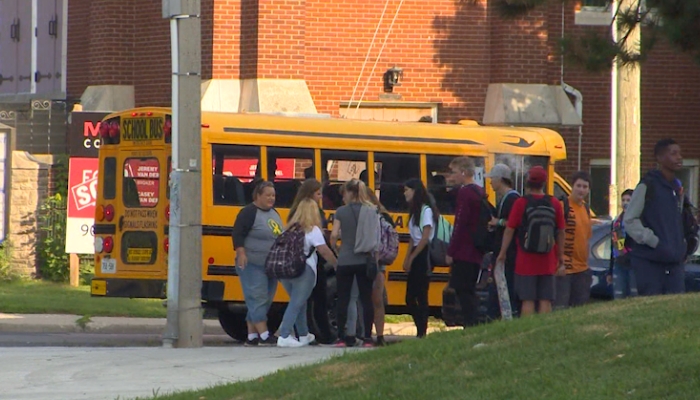
Whether missing school should impact a student’s final grade is the latest debate at Queen’s Park as the provincial government moves to link classroom attendance to academic performance.
The proposal is part of the Putting Student Achievement First Act, 2026, introduced by Education Minister Paul Calandra. If passed, the legislation would allow attendance to account for up to 15 per cent of a final grade for students in Grades 9 and 10, and 10 per cent for those in Grades 11 and 12.
Calandra stated the move is necessary to refocus the education system on its core responsibility: student success.
“In some school boards, that focus has been lost, and students are paying the price,” Calandra said in a statement earlier this week.
For some, like Grade 11 student Marcus Hasselman, the policy makes sense. “I think it’s very helpful — you showing up,” he said.
However, many students and parents argue that the policy fails to account for the complexities of real life. Amelio Soares, a student, believes there should be a distinction between unexcused absences and family emergencies.
“If you’re just skipping school for no reason, then yes, I believe it should affect your grade,” Soares said. “But if you have any family reasons and stuff, then I don’t believe it should affect anything.”
Landen Wigood, a Grade 9 student and athlete, expressed concern that extracurricular commitments could unfairly penalize students. “I’ve missed a couple of days a year ’cause of the tournaments and stuff,” Wigood noted.
WATCH MORE: Ontario announces $57 million investment into Indigenous education, sustainability
The push comes as attendance continues to struggle. Before the pandemic, about 60 per cent of students had attendance rates above 90 per cent. That dropped to 36 per cent in 2022-23, and is still only around 40 per cent today, with Grade 12 students missing the most school.
The Ontario Secondary School Teachers’ Federation (OSSTF) warns that the province is ignoring the root causes of absenteeism, such as mental health struggles, housing instability and food insecurity.
“We just pretended the pandemic was over and everything would return to normal,” said Colin Matthew of the OSSTF. “What we need at this point are more mental health supports to ensure that students are able to attend and also to ensure that schools are welcoming places.”
Matthew noted that social issues outside of the classroom often dictate whether a student can make it to school, and critics suggest the new policy could add undue pressure on those already struggling.
The bill also includes a return to mandatory final exams for all secondary students and increased oversight for school boards.
While there is no firm timeline for the legislation, the changes could take effect as early as the 2026-27 school year, pending approval at Queen’s Park.
READ MORE: Federal Liberals back motion for under-16 social media ban