LATEST STORIES:

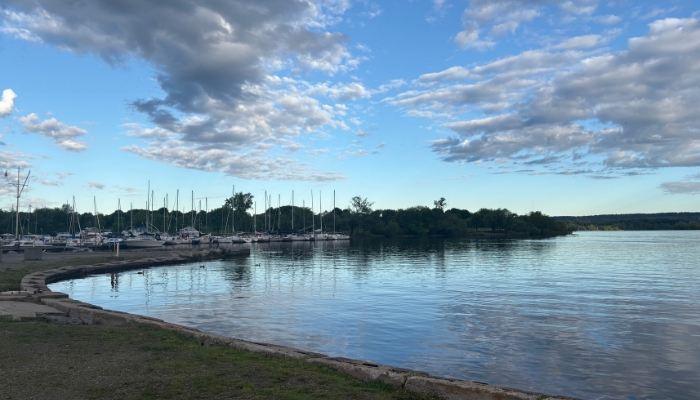
The City of Hamilton is looking at different ways to limit the growth and smell of harmful blue-green algae.
Blue-green algae, also known as cyanobacteria, are types of bacteria found naturally in all types of water, including lakes, rivers, ponds and streams.
According to the city, there is no sign of the bacteria growing. Blooms can form due to the rapid increase and accumulation in the population of algae but are mostly seen in late summer or early fall.
Macassa Bay has been chosen as the spot to launch the nature-based pilot, including aquatic plantings and floating treatment wetlands.
Bayfront Park Beach will use aeration to reduce stagnate water and odours that follow. Aeration and mechanical circulation will continue across Pier 5 to 7.
Bayfront’s boat launch and Pier 8 are reserved for future pilot areas while Pier 4 Park and the western part of Macassa Bay will remain untouched and act as control areas.
The city report says that the release of several nutrients along with goose droppings and sewer overflows contribute to the algae blooms.
READ MORE: Two Hamilton beaches closed after confirmation of toxic blue-green algae
Last summer, Hamilton Public Health closed the beaches at Pier 4 Park and Christie Lake Conservation Area due to the confirmed presence of toxic blue-green algae.
But the most recent year where the blooms really thrived in warm, stagnant water and direct sunlight was 2024.
During the summer of 2024, nearshore areas along Bayfront Park, Pier 4 Park Beach and Beach Boulevard experienced a harmful algae bloom which had impacts on parks, recreation, aesthetic conditions and odours in the West Harbour and Lake Ontario
Senior Project Manager Mike Christie tells CHCH News that the conditions this year are resembling the ones seen in the summer last year.
Christie says if there are significant blooms, they can launch different temporary measures to mitigate the smell.
The report says that while complete elimination of these blooms isn’t possible, these measures will hopefully help odour and the accumulation on the surface.
The city says the implementation of the measures are expected to happen in phases later this year and into next year.
WATCH MORE: Hamilton’s Beach Boulevard beach closed after blue-green algae found