LATEST STORIES:

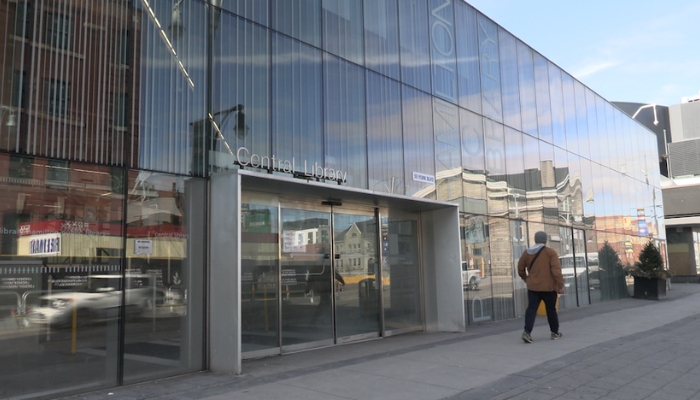
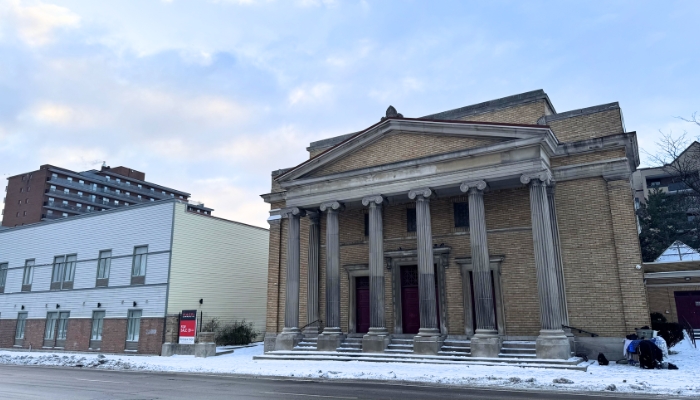
It has been a week since a two-month-long pilot project at the Hamilton Public Library’s Central location came to a wrap.
The project required all visitors to have a library card to access the building.
The library said the pilot project was meant to test whether requiring library cards for access would reduce the number of harmful incidents on its premises and improve public safety. The downtown fixture is beloved by residents of all ages.
This week, visitors to the Hamilton Central Library did not need their library card to enter the building. But just over a week ago, they did.
The library cited what it calls “heightened challenges related to the toxic drug crisis” as its cause for concern.
However, with a form of ID and proof of address needed to create a library card, the project kept a specific group of people on the margins.
William Ford, a library visitor, has a library card which he obtained eight years ago. What he does not have today is a fixed mailing address.
“I think if there were other facilities, that would be their number one choice, as opposed to coming to the library — there’s a lot of family and children here,” Ford said. “Obviously they want some type of proof that you are who you are in order to get a library card. So if I didn’t already have a library card, I would be affected because I wouldn’t be able to obtain a library card.”
The Central Library says that this past winter, it saw a significant increase in disruptive behaviour, illegal drug use, and suspected overdoses within its property and in the surrounding area.
WATCH MORE: Task force proposed to support addiction response at Hamilton libraries
The pilot project was an opportunity for the library to collect information such as operational data, incident reports, and staff and public feedback to help it find solutions to the challenges it faces.
“People doing stuff in the washrooms, it’s very sad,” said library visitor Curtis Jilkes. “And that’s obviously a concern for children, right. They shouldn’t be exposed to that sort of activity. It’s supposed to be a safe space as well for them.”
The City of Hamilton saw an average of 61 opioid-related paramedic responses from May 2024 to March 2025. From May 2025 to March 2026, that number more than doubled to 134. The timing coincided with the closure of Hamilton’s safe consumption site.
“When we’re looking at perceptions of public safety and what we’re seeing in our community right now, we need to look at the root causes and why individuals are in the position that they’re in,” said Chelsea Kirkby, vice-president of strategic initiatives and program development at YWCA Hamilton.
“The bottom line is ensuring that folks have the supports that they need, that they have enough support, and that they’re able to access it wherever they’re at and whatever condition they’re in.”
In a statement to CHCH News, the Hamilton Public Library says it is in the process of reviewing the data it collected but that it observed a significant reduction in incidents during the pilot period.
“It being a public place, we need to treat the area with respect, right,” Jilkes added. “As long as it’s a safe place for everybody to enjoy what they need to do at the library here.”
The findings from the pilot project will be presented to the Hamilton Public Library Board at a public meeting at the Central branch on June 18. Community members are welcome to attend to ask questions and share feedback.
READ MORE: Card access pilot program ends at Hamilton’s Central Library branch