LATEST STORIES:

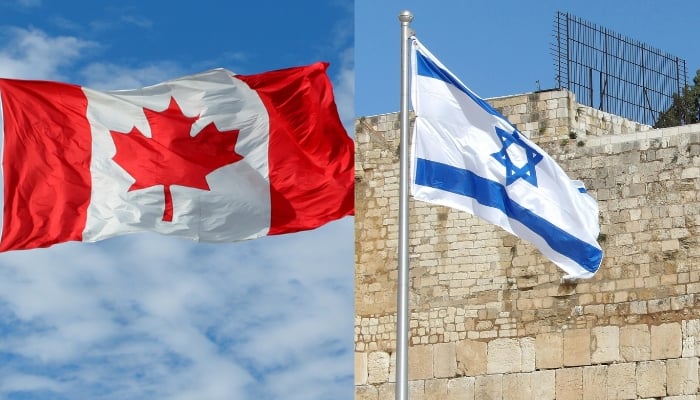
Today, Canada says it is joining a group of nations who are placing a ban on goods from Israeli settlements in the West Bank, which are deemed illegal under international law.
The alliance says the restrictions are an attempt to prevent further settlement expansions, which they feel will hinder the future of an independent Palestinian state.
Canada’s foreign minister, Anita Anand, released a statement saying the Canadian measures will be introduced in the coming months. It is unclear which goods Canada intends to ban, but in the U.K., the Labour government says it is banning more than just everyday items.
“E1 proposals would evict them and place settlements directly between East Jerusalem and the West Bank, cutting through the heart of Palestine,” said Ed Miliband, British foreign minister.
The Labour government in the U.K. argues that Israeli settlement expansion within the West Bank will increase displacement of Palestinian people and hinder the efforts of a two-state solution.
Today, British officials say they are introducing a widespread ban on all goods from Israeli settlements deemed illegal and barring companies from providing services in those areas, including financing, construction, real estate and advertising.
“The sanctions regime will target illegal settlements and settlement expansion, not Israel,” Miliband said. “We will continue to support important and valued trade with Green Line Israel precisely because we support the two-state solution, including security and prosperity for Israel.”
Joining the U.K. with similar measures are nations like France and Canada.
Oakville MP and Canada’s foreign minister, Anita Anand, says Canada is set to introduce restrictions in the coming months.
WATCH MORE: Trump threatens to block Canada’s Bombardier from selling aircraft in U.S. market
Anand released a statement today, saying in part: “The Government of Israel must immediately halt the expansion of settlements and civilian administrative powers, ensure accountability for settler violence, and investigate allegations against Israeli forces.”
The Carney government has yet to say exactly which settlement goods will be banned, but according to their free-trade agreement, Canada imports a wide range of agricultural items.
Despite the restrictions, some believe measures against Israel do not go far enough.
“There are lots of Canadian companies that do business in what we call the broader settlement economy, and so really signaling and also having a material impact on the ground with respect to really ending the expansion of the settlements would require much, much more than just an import ban on quote-unquote ‘goods,'” said Heidi Matthews of Osgoode Hall Law School at York University.
Meanwhile, Israel responded saying it condemns the move from Britain and even closed down the British Consulate in Jerusalem.
“This is a blatant and completely unacceptable attempt by a foreign government to exert external influence in the midst of an election campaign,” said Gideon Saar, Israel’s foreign minister.
In the U.S., Secretary of State Marco Rubio says the White House will not follow the lead of allies.
“The president has not commented on this, as I said, neither have I at this point,” Rubio said. “We were made aware that they were going to make this decision. We heard their arguments as to why. But look, we share the goal of stability. We don’t want to see some uptick in violence.”
Also today, Prime Minister Mark Carney released a statement saying even with these new actions, Canada still intends to maintain a productive partnership with Israel and supports their security interests.
WATCH MORE: Canada’s retaliatory tariffs on American goods now in effect