LATEST STORIES:

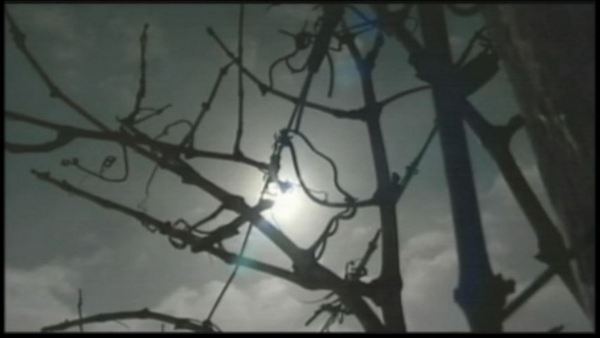
The polar vortex – that frigid blast of Arctic air – just won’t go away. And that’s causing even more headaches for Niagara grape growers.
Many have already suffered extensive crop loss this winter, and the consequences will be far reaching. Last year alone they had a record-breaking season, harvesting nearly 80,000 tonnes of grapes, valued at close to $100 million.
However 2014 will be decidedly different, because no one in the region has escaped injury caused by the bitter temperatures.
“These are the buds that we’re worried about.”
Paul Speck and his two brothers run Henry of Pelham winery. The family estate has been around for decades, and he’s never felt a winter this harsh.
“This has been the coldest winter in 25 years.”
Speck has already lost grape crops due to the polar vortex. “We’ve seen some primary buds, we’ve seen some death to them so that means the crop will be smaller next year. It’s a bit early to tell (how small).”
The polar vortex has had its icy grip on grape crops all winter. But industry consultant Kevin Kerr says there are things that farmers and wineries can do to mitigate their losses.
“The healthiest vine is going to be the heartiest vine. So what we do is minimize stress due to disease insects. If we put too much crop on a plant its going to be weaker into the winter.”
Technology by way of wind machines normally play a big role in protecting crops from extreme cold. They suck in warmer air from above and mix it with colder air below. They can increase ground temperatures by as much as five to seven degrees celsius.
“All we have to do is get roughly .1 degree warmer than the damaging temperature and we’ll have survival.”
But with no warm air because of the polar vortex, the technology is useless.
“In some instances we only have 30-40 per cent of the buds alive.”
But when compared to Lake Erie’s north shore, this part of Niagara is lucky.
“See how its green it is, it’s actually alive.”
“They’ve had much colder temperatures than we’ve experienced. Their primary bud survival is less than 10 per cent.”