LATEST STORIES:
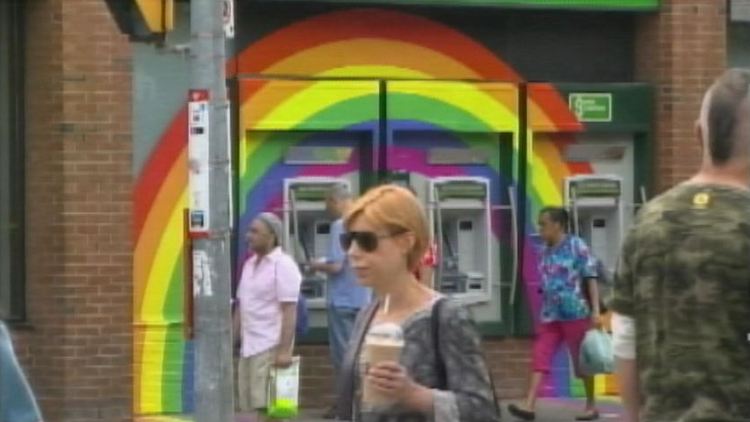
Canada has come a long way when it comes to LGBTQ rights, however, there is still progress to be made, particularly in the fight to detect cancer.
“We know that members of the LGBTQ communities are much less likely to get screened and much less likely to seek preventative care,” said Arti Mehta, a coordinator of Screening Saves Lives.
There is no definite reason why members of the community don’t get a check up but a lack of awareness on the issue and an unfamiliar relationship with health care providers do contribute.
“This phenomena of going to doctors office and feeling a chilly climate, so maybe not outright homophobia or transphobia but feeling that things are a little bit off,” said Mehta.
After a successfull two-year pilot project, the Canadian Cancer Society decided to expand its funding of the Get Screened program.
“Our goal is to increase screening rates. They are too low, and we are taking a multi-pronged approach to doing that,” said Mehta.
With a very comprehensive and group-specific website, the program also works closely with health care providers to make their practice LGBTQ friendly.
“Even things like having a rainbow sticker up, you know, talking to your patients about ‘who is your partner’ instead of ‘who is your husband,’ ‘who is your wife,'” said Mehta.
But the most important component of the program is the volunteers who add a personal touch to the initiative.
When it came to spread the word of the program, the Canadian Cancer Society needed volunteers with life and death experiences.
David Arnold, who got screened and is a rectal cancer survivor, lost his mother to breast cancer, father to colon cancer and hopes people can learn from his experiences.
“I’ve got my life, and i’m really happy about that obviously and that’s the ultimate reason for getting screened, regardless of what you have to go through if you don’t get screened they can’t detect that you have cancer,” said Arnold.
The project will continue in Toronto and Ottawa and just launched in Hamilton. They really are spreading the word, screening conversations with almost 3,000 people in the community alone, not to mention the hundreds reached through presentations, training sessions and cancer screening events.