
LATEST STORIES:

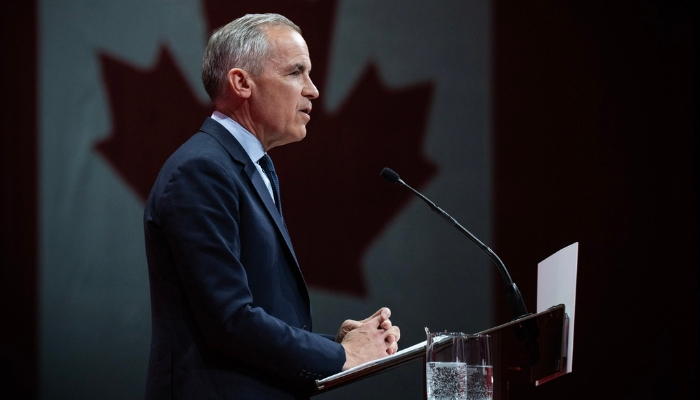
Prime Minister Mark Carney and the federal government are forecasting a “better-than-expected” financial windfall following the release of the Spring Economic Update on Tuesday.
The Liberal government’s update includes new spending focused on the cost of living and housing, alongside a lower projected deficit. Federal officials now estimate last year’s deficit came in at approximately $11.5 billion, a significant decrease from the $78.3 billion forecast in 2025. Officials in Ottawa attributed the shift to improved economic performance and lapses in planned spending.
“Our government continues to reduce spending, improve efficiency and deliver better value for Canadians,” Finance Minister Francois-Philippe Champagne said inside the House of Commons. “As a result, projected deficits are lower over the fiscal horizon.”
The federal government is reporting an estimated deficit of $66.9 billion for the 2025-26 fiscal year. The annual shortfall is predicted to gradually decline to $53.2 billion by 2030-31. Despite the lower projections, the government is tabling nearly $55 billion in new costs and spending, citing global trade uncertainty and U.S. tariffs.
The new spending includes the recently announced “Canada Strong Fund.” The government will allocate $25 billion to the fund, which aims to kick-start major projects across the country. Additionally, $6 billion will be directed toward a skilled trades program to boost recruitment and training within the industry.
READ MORE: ‘Good news’ expected in spring economic update from federal govt.
The update also includes a reduction in Canada Pension Plan contributions, which will drop from 9.9 per cent to 9.5 per cent of an employee’s paycheque. Furthermore, $110 million per year has been earmarked to improve Canada’s sport organizations.
Following the announcement, the Conservative Party took aim at the fiscal update during question period. Conservative Finance Critic Jasraj Hallan argued that debt servicing costs remain a significant burden on taxpayers.
“Every single year, debt servicing costs are going to go up and they’re going to be more than what provinces get in healthcare transfers or what’s collected in GST revenue,” Hallan said. “In fact, debt servicing costs are going up by 50 per cent by 2031, all on the backs of hardworking Canadians.”
Champagne defended the update, noting that the deficit is lower than previous projections while economic growth is trending upward.
The Conservative Party criticized the Carney government’s overall fiscal record Tuesday, claiming the current government has doubled the deficit left behind by former prime minister Justin Trudeau.
WATCH MORE: PM Carney announces sovereign wealth fund for major projects