LATEST STORIES:


Niagara-area voters heading to the polls will be making choices that affect more than their local city or town in the upcoming municipal election.
For the last 56 years Niagara residents elected their mayor, their municipal councillors and their regional councillors, then the chair was selected by the regional council.
Now the province is making big changes by getting rid of the regional councillors altogether, with the chair appointed by the province.
When Niagara residents cast their ballots next week one familiar option will be missing. There will be no vote for regional councillors.
Under Ontario’s Better Regional Governance Act, Niagara Regional Council is being reduced from 31 members to 13.
The new council will consist of the mayors of Niagara’s 12 municipalities along with a regional chair appointed by the provincial government.
Under the changes the chair will also have more authority than before.
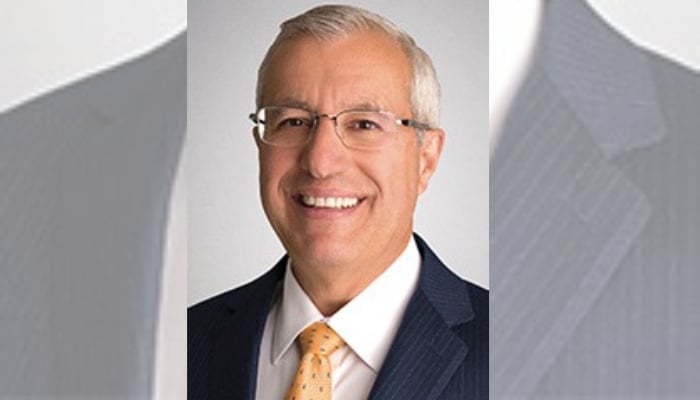
“In the Niagara restructuring, like other regions in the province, the Ford government is similarly going to give stronger powers to the regional chair, so the ability to appoint committees, key staff, have a budget and make sure that province and Niagara are focused on more affordable homes, better jobs, infrastructure and better transportation. This is about streamlining government to get more things done for Niagara, and I like it,” says Tim Hudak, former PC Party leader and Niagara MPP.
The provincial government says the changes are intended to reduce costs, streamline decision-making and help advance priorities.
Ontario’s Minister of Municipal Affairs and Housing also said recently the chair could “legally” be one of the mayors.
NDP MPP for Niagara Centre Jeff Burch is critical of the changes, saying it’s undemocratic, and pointed to a weighted voting system that will be used, with voting power reflecting the population of each municipality.
“For example the mayor of St. Catharines if he was appointed as the chair, you have basically a third of the votes and he doesn’t even have to talk to anybody else. He’s got pretty much a dictator doing the bidding of the premier. That’s what this is all about. It’s not about protecting tax payers or respecting tax payers. It’s about the government having no respect for local democracy and wanting to do whatever they want,” says Burch.
As for what the region is responsible for, that doesn’t change.
The region will continue to oversee services including police, waste and wastewater management, housing and social services, and regional roads and transportation, to name a few.
The changes to the government structure will go into effect on Nov. 15, and the province will appoint the chair following the election on Oct. 26.