LATEST STORIES:

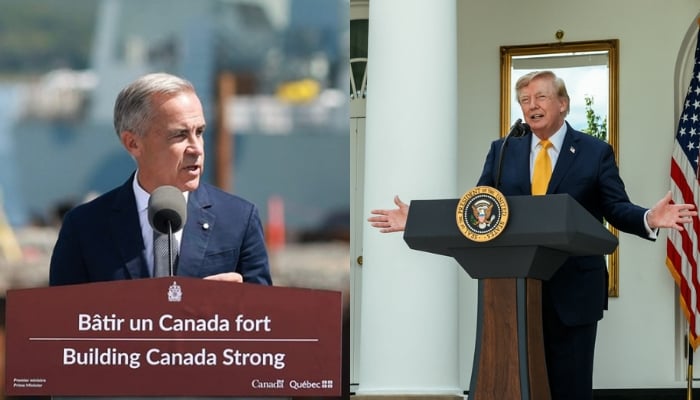
U.S. President Donald Trump is issuing more threats about a future without Canada.
On Wednesday, Trump conceded that he believes the White House had a good trade deal in place, but altered demands in the 11th hour, opening the gate for more economic war.
The comments follow the Carney government’s counter-tariffs on a wide range of American goods announced yesterday, paving the way for efforts to rebuild Canada’s domestic markets.
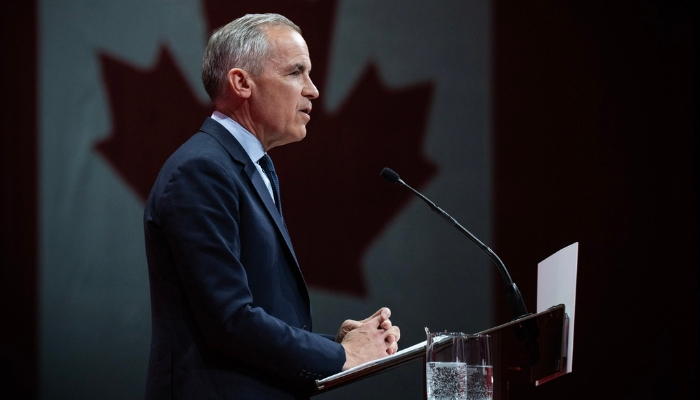
Reports continue to roll in, detailing exactly what happened at the negotiating table between Ottawa and the White House. Prime Minister Mark Carney said some terms were not negotiable and he’s received support for his decision from Premier Doug Ford.
“I’m just confident that there was a line that’s drawn in the sand,” Ford said. “They crossed that line. The prime minister acted properly and they know we’re serious.”
Ford expressed his support for Prime Minister Mark Carney and his administration after officials in Ottawa walked away from a U.S. trade deal they did not approve and their counter-measures against American tariffs.
“Trying to make a deal with Howard Lutnick and President Trump,” Ford said. “They kept moving the goalposts on the prime minister. He did the right thing, and he has overwhelming support across the country.”
When asked on Wednesday, Ford did not commit to adding a surcharge on Ontario electricity to build on the nation’s counter-measures, but says the move is still on the table.
This follows Ottawa’s announcement on Tuesday that it’s laying tariffs on hundreds of American goods, including 50 per cent levies on steel and aluminum, as well as the federal government saying an aid package worth $7.5 billion is on the way for Canadian companies and workers.
“Premier Ford insists, of course, that all these decisions are from Prime Minister Carney’s,” said political analyst Keith Leslie. “But it appears, from people that were in the room and the reporting from The New York Times, that Premier Ford telling the prime minister that the deal was just not going to fly in Ontario, that he would not put the U.S. booze back on the shelves.”
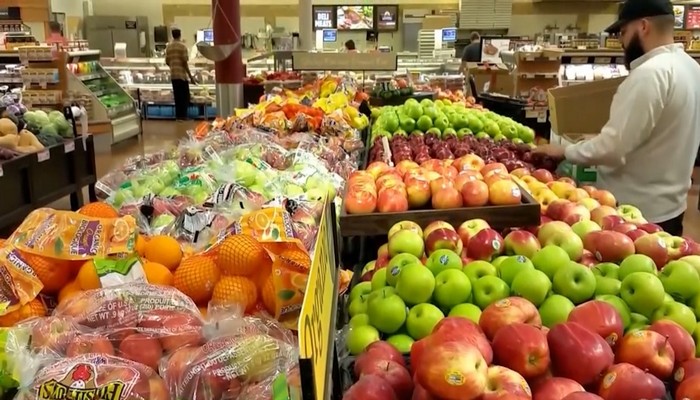
WATCH MORE: U.S. tariffs expected to impact food prices across Canada
According to a report by The New York Times, talks broke down in the 11th hour over last-minute changes. Prime Minister Carney said the Trump administration made unreasonable demands, including veto power over Canadian trade elsewhere and an option to exit the deal.
They also reported that Carney had told Trump he would consider reviving the Keystone Pipeline in Canada, but then axed the concession.
And the Times reported that pressure was applied from Commerce Secretary Howard Lutnick, tied to U.S. lobby groups seeking protection.
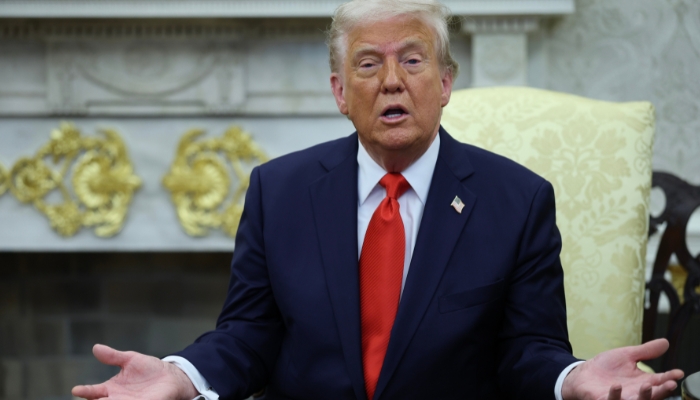
“I had a deal,” Trump said. “That was a pretty good deal. You know, quite good. Because they’re afraid I won’t do any business, in other words, we won’t trade. You know, they don’t have anything we have to have, okay? We can get by.”
During an appearance on the Glenn Beck Program, a political podcast, U.S. President Donald Trump followed up with another threat on Canada.
“We can get them elsewhere,” Trump said. “It’s time to teach Canada you can’t do this anymore.”
A number of analysts are predicting an eventual U.S.-Canada trade war compromise, all while American voters are set to head to the polls in the upcoming midterms this fall.
“A lot of people are hoping that in the midterms, the Democrats regain control [of the Senate] and put some limits on Trump,” Leslie said. “But then what we have is a lame duck president who could go even crazier. We don’t know what kind of stuff [he will do.] He might come after our water next. The midterms won’t be the be-all-and-end-all. We need to get a deal with the United States.”
On Wednesday, Premier Ford says he spoke with Alberta Premier Danielle Smith over their disagreement on whether to use energy as leverage in trade negotiations. He says he will take another trip out west to meet her in a few weeks.
WATCH MORE: Canadian govt. announces counter-tariffs on nearly 900 U.S. products