LATEST STORIES:
The government of Ontario announced this week it will cease funding for safe consumption sites that are in the same communities as their homeless and addiction recovery treatment hubs, also known as HART hubs.
The closure is raising concerns from advocates, residents and business owners.
Site operators say since it opened in December 2018, it has seen over 89,000 visits and reversed over 1,520 overdoses.
“They were a big help because they actually helped me on my recovery to getting clean and getting help,” said Matthew Duggan, recovering addict.
Duggan says he is a recovering addict, and the safe consumption site in St. Catharine’s is the reason he is alive today.
“They saved my life because I could have potentially passed away by using these drugs,” said Duggan.
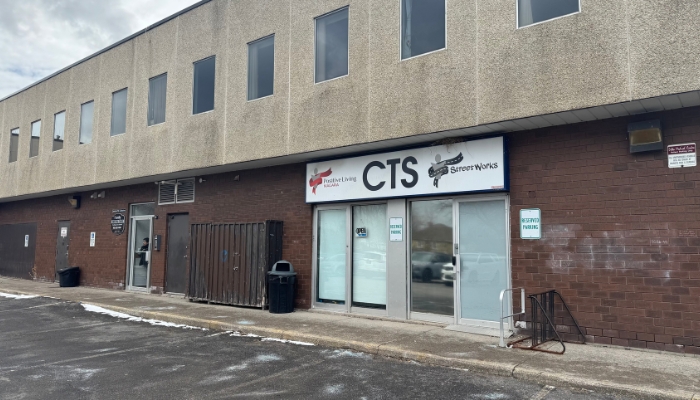
Consumption & Treatment Services (CTS) is the only safe consumption site in the Niagara region – and one of seven in Ontario that will no longer receive provincial funding due to their proximity to a HART hub.
“I think it’s sad. I really think it’s sad. It’s more important to have a buck a beer than it is to have somewhere safe for people to go to,” said Darlene Johnston, member of CUPE.
In a statement to CHCH News, the spokesperson for the minister of health says the HART hub in Niagara, which opened last November, offers comprehensive wraparound support and services – including navigation outreach, primary care, peer support and addictions services.
“HART hubs and CTS’s are two different services meeting the needs of different populations. We need to think about people’s readiness to access treatment and not everyone is there. We often talk about the spectrum of care, and we need supervised consumption services. At its core, nothing can replace that. And we do also need treatment services like HART hubs and many others — withdrawal management services. So when people are ready, they are able to actually access those programs,” said Talia Storm, program director of Positive Living’s StreetWorks program.
READ MORE: Ontario pulls funding for seven supervised drug consumption sites
One of the biggest challenges harm reduction advocates face is the stigma associated with drug addiction, which is why Positive Living Niagara works closely with its neighbours.
“That allows us, as a neighbourhood, to really work together on the complex issues. So that has been a central part of our model from day one,” said Storm.
“The amount of complaints we were getting at the beginning compared to now is it doesn’t come up at all. There are local businesses that see the benefit. And given the closure of it, are kind of foreseeing the negative outcomes,” said Tim Shields, chair of the Queenston Neighborhood Association.
“Even though it’s had its advantages and disadvantages, it would have been better for it to stay open so they continue to have that safe haven … in this safe haven there’d be an outreach for them to eventually lead to them quitting,” said Francis Akpotu from Larry B&O Barber.
An outreach one St. Catharines resident says he’s grateful to receive.
“I’m even getting into a rehab from there in a couple of months. They’re great, it’s great,” said Alain Tremblay.
Tremblay says he will continue to stand up for the safety of people struggling with addiction.
“Everybody’s gonna write their individual letter. I know what I want to say and I’m going to tell them. And I’m not going to hold back because it’s affecting the whole community, right? The kids, they don’t want to see us shooting up. Especially the kids, we don’t want that either. So yeah, we’re gonna protest it,” said Tremblay.
For now, Positive Living Niagara says it is qualified for an exemption, which means they have until the end of September to come up with its best course of action to continue to provide their life-saving services without provincial funding.
READ MORE: Advocates worry Toronto’s AIDS memorial may fade away with city’s renovation plans