LATEST STORIES:

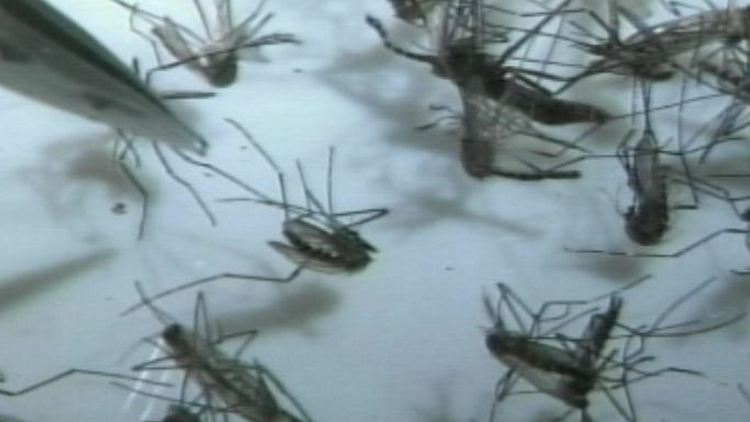
Two batches of mosquitoes trapped in Hamilton this week tested positive for West Nile virus (WNV), marking the city’s first positive cases this year.
As a result, Hamilton’s medical officer of health has moved the WNV risk from low to moderate.
As part of a comprehensive WNV surveillance and prevention program, the City of Hamilton continues to assess the risk for human illness.
In addition to the ongoing treatment of surface waters on public land, the city has completed its second round of larviciding treatments on city street catch basins.
While about 80 per cent of people infected with WNV will show no symptoms, often about 20 per cent may experience West Nile fever including older adults or those with weakened immune systems may experience West Nile fever.
READ MORE: City of Hamilton reports first local human case of West Nile virus this season
They may also develop more severe illness such as inflammation of the brain or the lining of the brain.
If symptoms develop, they typically appear two to 14 days after an infected mosquito bite.
“In the warmer months it is important to take precautions to avoid illnesses spread by insects including West Nile virus,” says Dr. Bart Harvey, associate medical officer of health.
“Employing simple preventive measures such as using insect repellent containing DEET or Icaridin and wearing loose fitting, light-coloured clothing will reduce your risk while you enjoy the outdoors.”
READ MORE: Halton region discovers first mosquitoes carrying West Nile virus this year