LATEST STORIES:

First Nations chiefs in northwestern Ontario are calling for a public inquiry into the province’s response to the wildfires that have devastated the region.
The leaders are pointing to a lack of communication as over a dozen communities had to evacuate.
At a media conference hosted by Nishnawbe Aski Nation in Thunder Bay, the chiefs said the public inquiry would answer questions surrounding communications with First Nations, evacuation planning and execution, operational decision-making, and overall, the province’s preparedness.
“The lack of communication and evacuation support should horrify all Canadians, and our community was on its own,” said Gull Bay First Nation Chief Wilfred King.
King is leading the call for a public inquiry into the Premier Doug Ford government’s response to the wildfires that have devastated communities up north.
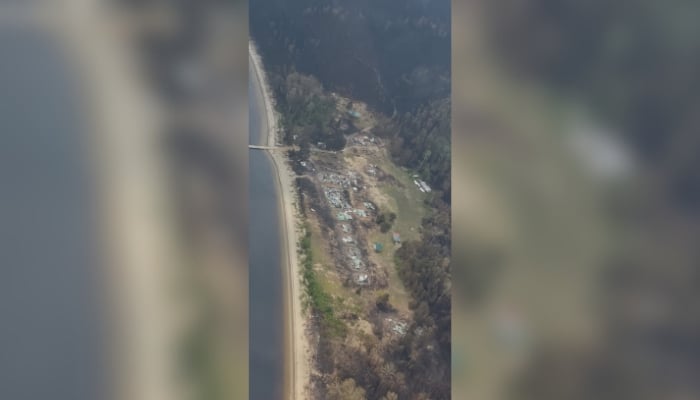
One of those communities is Whitewater Lake First Nation, which was completely destroyed in the past week.
READ MORE: Hamilton hospitals see uptick in visits amid wildfire smoke crisis
“It was very beautiful — we had a lot of personal, historical, I’m talking historical pieces of that area that have been lost and I’ve only been in term, this is my third year, and having to face this right off the hop is very devastating to me personally, and to my community members who have built their homes out of their own pocket money,” said Whitewater Lake First Nation Chief Pauline Drake.
Drake says she can’t help but think about if the province had communicated with them sooner, some things could have been saved.
“If we had been aware of the severity of the fires, at that time, then we probably would have went in and tried to salvage something,” said Drake.
Multiple First Nations communities have criticized the government’s response to the wildfires.
The chief on Wednesday pointed to a lack of preparedness and communication with some saying they had to evacuate all on their own.
READ MORE: More than 170 wildfires burning in Ontario’s north
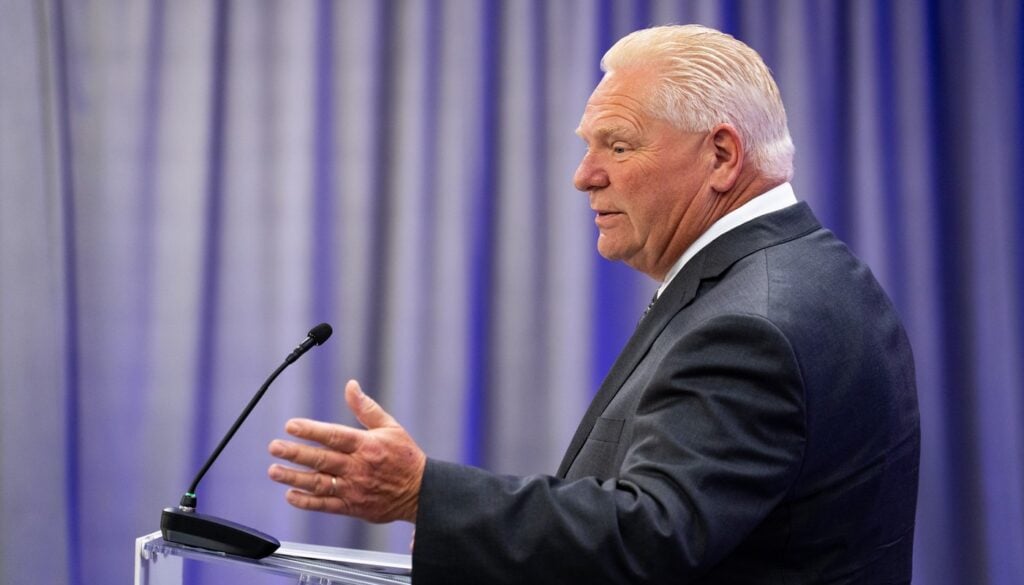
This week in response to the concerns, Ford said his government has constant communication with First Nations, saying on reserve is federal responsibility, but said Ontario is taking the lead.
“We won’t accept any jurisdictional disputes — in the year 2026 how could this happen?,” said King. “More importantly, how can we make sure this never happens again.”
CHCH News asked Ontario’s Minister of Health Sylvia Jones about how the government is now supporting communities.
“This is an all of government effort,” said Jones. “The premier has made it clear that where there is a need, we as a government will be there as a partner to be there to help communities, to help individuals. Thank goodness — thank God — to date we have had no deaths as a result of these wildfires, but this is something we are 100 per cent focused on, because we know the need is so great.”
One expert says a public inquiry would be valuable to assess how officials can better prepare, considering the impact of climate change.
“It’s hotter, it’s dryer, the winds are stronger — these kinds of fires are going to happen more often, so to give the province a little bit of slack here, we’re still trying to learn what the effects of climate change are,” said Ze’ev Gedalof, a professor of geography, environment and geomatics at the University of Guelph.
Currently, there are nearly 200 active wildfires in the province and more than 2,400 people who have had to evacuate their homes.
READ MORE: This is Ontario’s worst wildfire season, early estimates suggest. It’s not over yet