
LATEST STORIES:

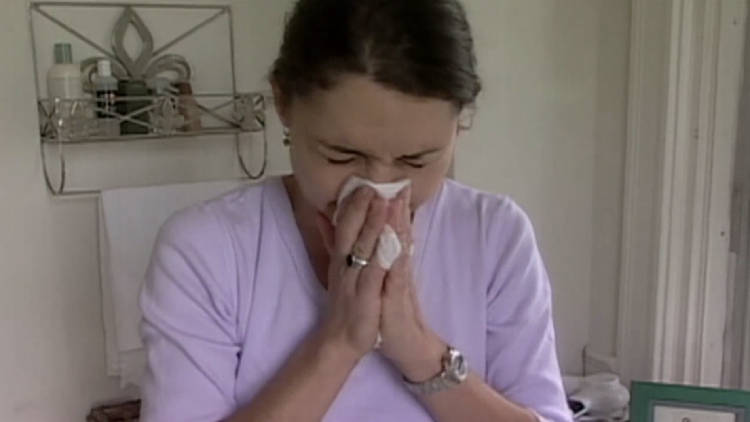
Hamilton health officials are asking for the public’s help in preventing the spread of the flu after local emergency rooms saw a spike in patients with flu-like symptoms.
“Some people – including infants and the elderly – are at a higher risk of developing complications from the flu,” says Dr. Jeff Pernica, infectious disease physician at Hamilton Health Sciences. “So, it’s up to each of us to do our part to fight the flu, not just for our own health, but for the health of those around us.”
Just last week, 340 people were admitted to Hamilton hospitals with flu-like symptoms. This year, the dominant strain is H3N1, which is contained in this year’s vaccine.
“We are seeing a large number of cases, which is typical with this strain of flu,” said Dr. Jessica Hopkins. “In total, we’ve seen 14 outbreaks of influenza in institutions, long-term care homes, retirement homes and hospitals this season.”
Hamilton Health Sciences and St. Joseph’s Healthcare have offered the following tips for preventing the spread of influenza this flu season:
A website has been created by health officials to help you learn how to protect yourself and your family from the flu.
Here is what the website says is the truth behind three major flu myths.
Myth #1: You can get the flu from the flu shot.
False! The flu shot doesn’t contain a live virus so it’s impossible to get the flu from the flu shot. Some people experience brief and mild side effects, including pain in the arm when you get the show, tiredness, muscle pain, fever and headaches.
Myth #2: Once I have the shot I can’t spread the flu.
False! It takes two weeks for the flu shot to be fully effective, so you can still get the flu and pass it on in that period. Even if you’re vaccinated, you can transport germs from one surface to another that might infect someone else. In addition to getting the shot, it’s important to wash your hands, disinfect common surfaces and avoid contact with people who have the flu.
Myth #3: I never get sick so I don’t need the flu shot.
False! Even if you don’t show symptoms, you can get the flu and pass it on to someone more vulnerable than yourself. Babies, seniors and people with existing illnesses are at higher risk of developing serious complications, or even dying from the flu. By protecting yourself, you’re protecting them, too.
For more information, visit beaflufighter.ca.