
LATEST STORIES:


Most Ontario residents will be turning back the clock Nov. 1.
But a few communities in northwestern Ontario, along with much of western and central Canada, will be ditching the clock change for good.
So why is this happening, and what could it mean for our health?
Saskatchewan ditched the biannual clock change in 1966, keeping standard time year-round. The Yukon followed in 2020 by freezing daylight saving time.
Now, B.C., Alberta, the Northwest Territories and Manitoba have chosen to remain on permanent daylight time.
In Ontario, communities west of the 90th meridian in the central time zone are also staying put.
Some provincial governments argue the move will simplify schedules and prevent family routine disruptions.
But experts warn the permanent shift may come at a cost.
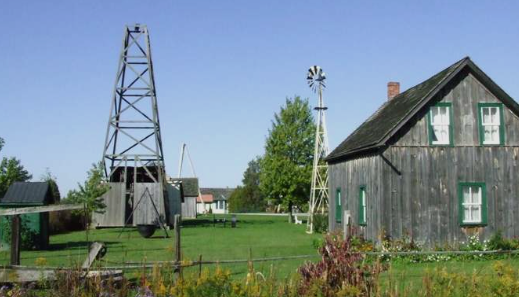
WATCH MORE: How technology transformed Canada’s oil industry






Ottawa consults lawyers over Cleveland-Cliffs CEO’s comments on Stelco purchase