
LATEST STORIES:

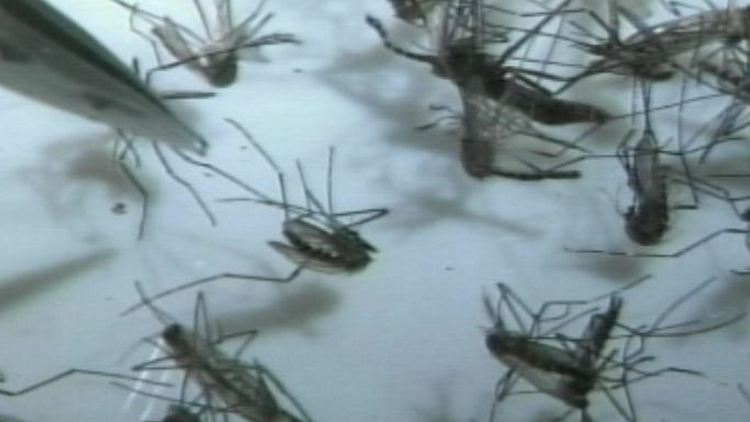
Niagara Region Public Health has reported the year’s first laboratory-confirmed human case of West Nile Virus, which was confirmed in St. Catharines.
All Niagara residents and visitors are being advised to take steps to protect themselves and their families against mosquito bites and West Nile Virus.
While most people infected with West Nile Virus do not experience symptoms, 20 per cent of people will experience flu-like symptoms and fatigue if infected with the virus.
One per cent of people infected will experience severe symptoms and health effects.
This includes severe headaches, neck stiffness, confusion, weakness and sensitivity to light.
Older individuals are at a greater risk of developing severe symptoms along with those with compromised immune systems.
READ MORE: Hamilton Public Health confirms first human case of West Nile Virus this season
“At this point in the summer season, conditions are ideal for mosquito activity. Now is the time for everyone to be proactive in protecting themselves and their families by taking precautions to reduce mosquito bites and remove mosquito breeding grounds around their homes,” says Dr. Hamidah Meghani, Niagara Region associate medical officer of health.
In August, Niagara Region Public Health identified the tiger mosquito through its ongoing surveillance program.
Health officials say this species is known to be an aggressive daytime biter, making it essential for residents to protect themselves throughout the day.
Public Health recommends people to prevent mosquito bites and reduce the risk of exposure to the West Nile Virus by using insect repellents containing DEET and to always follow label directions.
Health officials also recommend residents to empty standing water from buckets, animal dishes, bird baths, flowerpots, tarps and old tires.
To learn more about West Nile virus and how to reduce the risk of infection, people can visit online or call Public Health at 905-688-8248 or 1-888-505-6074 ext. 7590.
WATCH MORE: Newsmakers: McMaster infectious disease specialist explains West Nile virus