LATEST STORIES:

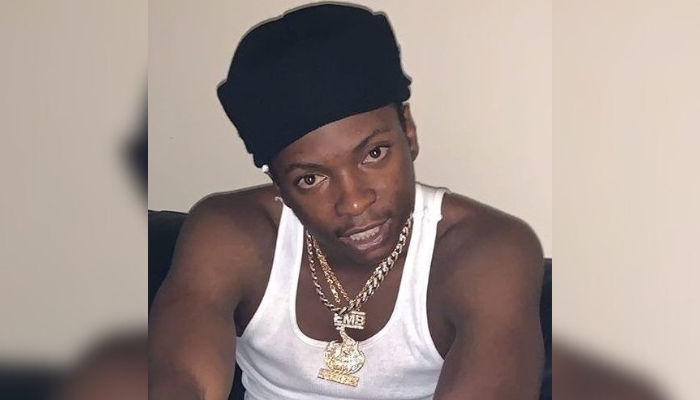
In a courtroom in Welland Thursday, the Crown continued its case against 27-year-old Christopher Lucas — accused in the shooting death of two young women at a house party in Fort Erie almost five years ago.
The court heard from a forensic scientist who was in charge of testing several pieces of evidence found at the short term rental in Fort Erie where the alleged crime took place.
Lucas, a 27-year-old Toronto rapper, has pled not guilty in the shooting deaths of 18 year old Christine Crooks and 20-year-old Juliana Pannunzio.
The two friends were killed at a birthday party at the Fort Erie rental in January 2021.
Crooks had been invited by Lucas, while Crooks was Pannunzio’s only connection to the gathering.
Thursday, the court heard about the 13 different biology reports conducted on various pieces of evidence from the crime scene — looking to see if DNA or blood was present — including a blood pattern analysis that found Crook’s blood in the front foyer.
WATCH MORE: Trial underway for Toronto rapper accused in fatal Fort Erie shooting
The forensic scientist testified that what he believed to be Lucas’ DNA was found on several marijuana butts from the scene.
In their opening remarks, the Crown had said a key piece of evidence in their case are the joints found next to the bodies of the two young women who were killed.
The court has already heard testimony from the Niagara police detectives on the case, as well as from several party-goers.
Two of them — the birthday boy and the party host — have pleaded guilty to obstruction in the case.
As the Crown expected, none of the people who attended the party said they saw the shooting take place or could identify the shooter.
The Crown is expected to wrap their case in the next few weeks before the defence presents theirs. The verdict will be decided by a jury.
WATCH MORE: Police officer testifies about video evidence in Fort Erie double homicide trial