LATEST STORIES:

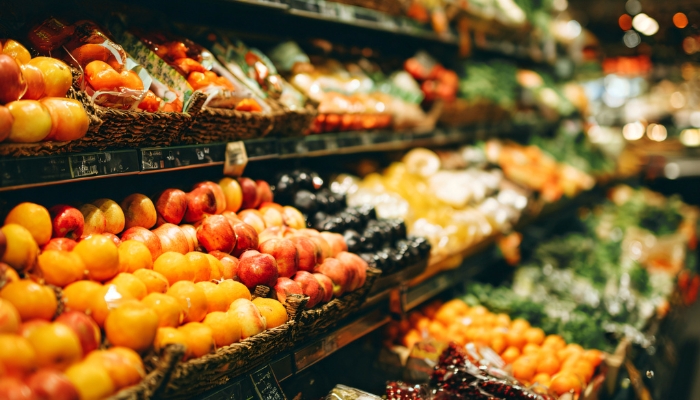
The grocery store code of conduct isn’t about what you pay at the checkout. It’s about what happens behind the scenes, before food ever hits the shelves. For years, food suppliers—especially small ones—have complained about how supermarkets do business. This measure aims to remedy some of those concerns.
For years, tensions between grocery stores and their suppliers have been simmering behind the scenes, over fees, fines, and ongoing debate about who really holds the power in the food supply chain. Suppliers say large retailers have used their size to impose surprise charges and last-minute contract changes, leaving smaller companies with little room to push back. It’s part of the reason why, when you’re perusing the aisles, it can feel like only a handful of food companies dominate the shelves.
Loblaws has President’s Choice. Sobeys has Compliments. Metro has Selection—and so on. Critics say brands like these often push aside competitors in favor of their own private labels, forcing others to pay high fees for access to that valuable shelf space.
Come January 1st, a grocery “code of conduct” is set to take effect, laying out rules for how retailers and suppliers are expected to treat one another. So far, all of Canada’s major grocers are on board—Metro, Costco, Walmart, Loblaws, and Sobeys. But there are two important things to keep in mind.
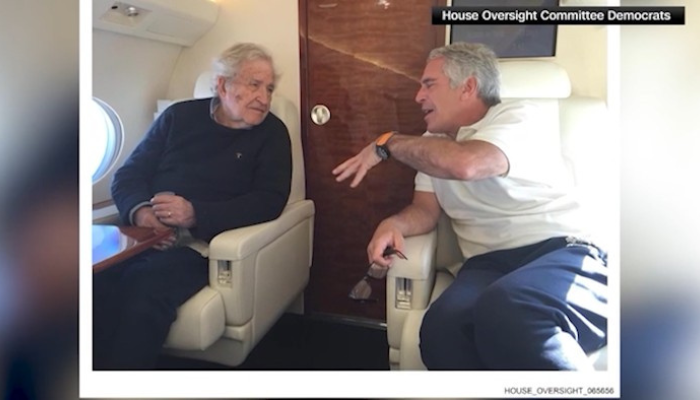
First, the code is voluntary, and there are currently no government backstops to hold companies accountable. Second, it will not bring grocery prices down. As highlighted in this clip from the House of Commons last month, costs are expected to continue rising. According to Canada’s Food Price Report, grocery prices are likely to increase by four to six percent in 2026. For the average family of four, that’s nearly a one-thousand-dollar increase—driven largely by global trade uncertainty, inflation, and other economic pressures. That said, there are still things consumers can do. When it comes to enforcement, as mentioned earlier, there is no punitive mechanism—yet. The federal government has warned it may step in with a stronger enforcement role if major grocers fail to follow the code.