LATEST STORIES:


A veteran emergency room nurse presented alarming testimony today about conditions in one major Ontario hospital. She was testifying at a coroner’s inquest into the death of an Indigenous woman who was initially sent home from the St. Catharines hospital and told to take Tylenol.
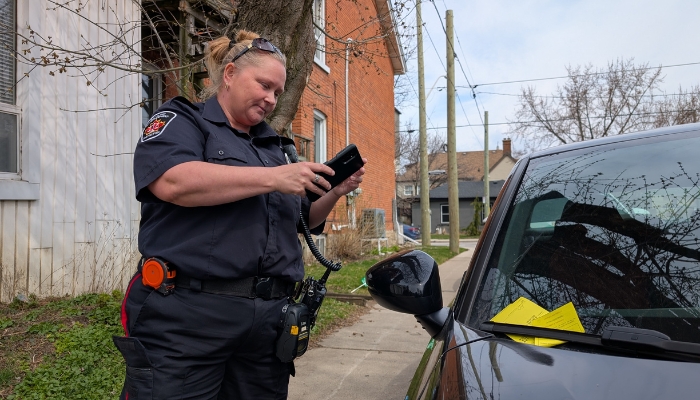
The nurse, who was testifying in the death of 24-year-old Heather Winterstein, is a triage nurse at the St. Catharines hospital. She was in tears at times as she described the conditions nurses were working under.
Nurse Andrea Demery described staff being overwhelmed by the number of patients in the emergency room at the time of the death being examined. She said going to work was “scary” because nurses knew they would not be able to carry out their responsibility to care for patients.
Demery was a triage nurse in the St. Catharines hospital emergency room on Dec. 10, 2021, when Winterstein was brought in by paramedics. Winterstein had gone to the hospital with severe back pain the day before, but her mother says she was sent home and told to take Tylenol.
She returned the next day with increased pain and died at the hospital of necrotizing fasciitis, commonly known as flesh-eating disease.
“At the time we have 47 patients in the waiting room who also needed to be triaged or assessed and at that time it was just me and my partner,” Demery said. “It’s so easy to get overwhelmed and confused. How to possibly keep track of one person when you’re responsible for 47. It’s just not feasible.”
READ MORE: Date set for coroner’s inquest for Indigenous woman who died in St. Catharines hospital
Winterstein’s death occurred during a period of hospital crowding caused by COVID-19. Demery says while things have improved at the hospital, crowding still occurs.
As for treating Winterstein, Demery testified she relied on a paramedic’s report that she described as “inadequate.” Under the circumstances, her only contact with Winterstein was when she “looked at her briefly” from “maybe five to ten feet away for three to five seconds” without examining or speaking to her.
She said a nurse should “always speak to the patient,” but stated that was “a standard of our department that wasn’t being enforced” by the hospital.
Winterstein was sent to a waiting room with no medical assessment for two and a half hours, until she collapsed onto the floor.
The NDP MPP for St. Catharines Jennie Stevens says the death is a warning sign that the province needs more nurses.
“Our government has been saying over and over again that they’re building hospitals and adding beds, and yes, this is very important,” said Jennie Stevens. “But the reality is, beds don’t deliver care, people do. And without enough nurses — and when one nurse is asked to look after a couple of dozen patients … front-line workers are doing their best but they’re doing it short-staffed and patients are feeling the impact,” said Stevens.
Winterstein’s family has expressed concern that her hospital treatment was affected by anti-Indigenous discrimination. Demery testified that they treat everybody equally with the same fairness and sent her condolences to the family.
A spokesperson for Health Minister Sylvia Jones told CHCH News today that the government has registered more than 100,000 new nurses since 2018, with 30,000 more studying in Ontario.
The government has also launched programs to get more nurses working in the province, along with record-high spending on health care.
READ MORE: Inquest called into Indigenous woman’s death at St. Catharines Hospital in 2021