LATEST STORIES:

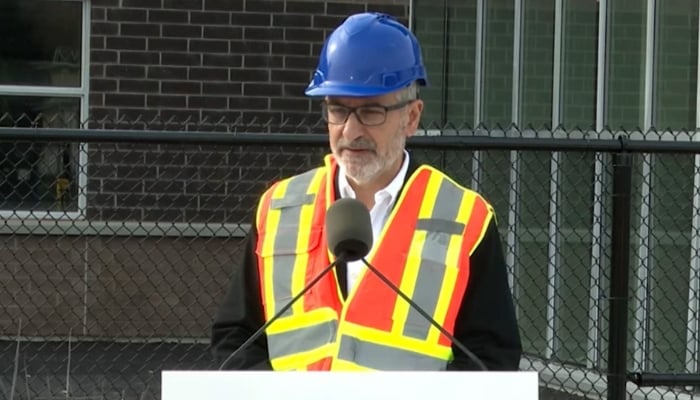
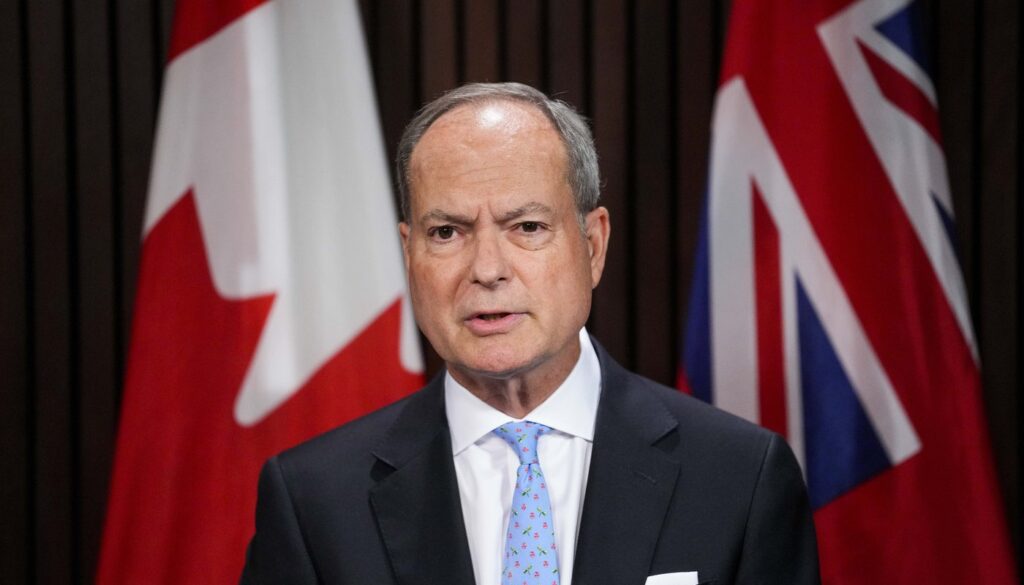
Ontario’s Education Minister Paul Calandra is expecting “business as usual” inside the classrooms this coming fall.
Calandra said Thursday that families should not expect strike action as Ontario teachers are set to begin work without a new labour contract.
The Catholic teachers union continues to bargain with the province, but negotiations have stalled for most others — all tied to issues about what should be bargained locally, and what the Ford government should control.
Union representatives say there are 13 issues surrounding what can be negotiated locally or centrally.
They have been taken to the Ontario Labour Relations Board and are now under review.
WATCH MORE: Local educators prepare for new school year, grapple with AI in classroom
The unions have also responded Thursday that strike action is not completely off the table.
“The year will start as scheduled,” said Calandra. “It is my expectation that kids will be in the classroom for a very long time, there’s no reason why we shouldn’t expect the year to be completed.”
Ontario’s education minister believes families shouldn’t worry when their children begin heading back to school this fall, despite educators in Ontario set to begin work as their labour contract expires.
“I still remain very optimistic to be honest with you — we’ve engaged in over 40 different sessions on bargaining,” said Calandra. “I know there is some voluntary arbitration that is also happening.”
During the unveiling of a new elementary school in Bradford Thursday, Calandra says it’s not unexpected that both the province and the teachers’ unions are in a procedural fight over issues, either under the province’s control or by local school boards.
WATCH MORE: Ontario teachers without new contract as talks between province and unions stall
Ontario’s teachers’ union says 13 items they believe should not be centralized are now under review by the Ontario Labour Relations Board.
Ones that include school board surplus, teacher transfers and layoffs.
“The surplus and transfer processes that every school board has, those processes are very unique to those individual areas that they’re enacted in,” said David Mastin, the president of the Elementary Teachers’ Federation of Ontario. “They’re unique to the locals. Locals have different densities.”
Representing Ontario elementary school teachers, Mastin says no matter how the chips fall with the independent tribunal, once they’ve identified which issues are controlled centrally or locally, strike action will be carefully considered.
“But if the labour board were to be determined that something be central and we come to a disagreement with the government on that topic, and they dismantle the system further through that negotiation, of course, we’re going to have to talk about that in very, very serious terms,” said Mastin.
WATCH MORE: What organizations can learn about AI from disabled, neurodivergent employees
Meanwhile, unions continue to push the education minister to start bargaining on other items, as the clock winds down to when students and teachers begin classes.
“We’ve asked the government to continue negotiations on the matters that we’ve already agreed to, and the answer was ‘no’,” said Martha Hradowy, the president of the Ontario Secondary School Teachers’ Federation. “He is definitely sending one message in front of a podium, but his actions are saying other words at the bargaining table.”
Calandra says he believes that both parties need certainty of what issues will be negotiated centrally or locally, before heading back to the table for official talks.
“You can’t negotiate wages, you can’t negotiate classroom sizes, if you don’t know exactly what you’re negotiating centrally, what you’re negotiating locally,” said Calandra. “So we want to get that done as quickly as possible.”
The teacher’s current collective bargaining agreement is set to expire on Aug. 31.
Mastin says that he believes that decisions from the Ontario labour board must be time-sensitive, but has no idea on when the tribunal will finalize their review.
WATCH MORE: Are we ready for the future of AI in Canada?