LATEST STORIES:

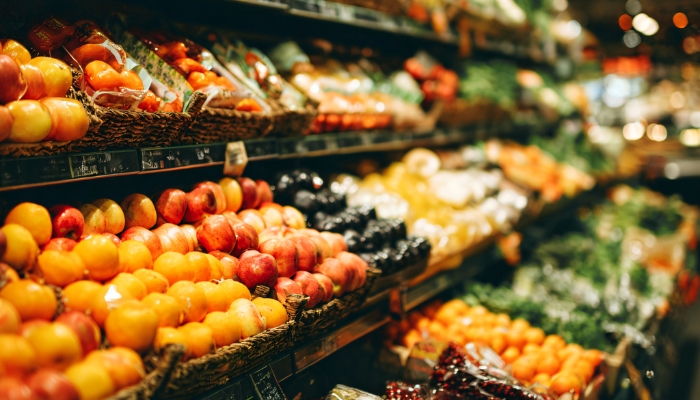
A new report from The Salvation Army says there has been a sharp increase in the number of people in Canada who cannot afford to eat a regular diet of three meals a day.
The organization says it is part of a growing financial squeeze that is forcing people to go hungry.
At Food for Life in Burlington, volunteers have seen food bank demand grow steadily month by month.
“I think it’s just the overall cost of living. Everything is getting that much more expensive,” said Donna Slater of Food for Life.
Instead of seeing around 230 people on distribution days, the agency now sees 250 a day, including people who have gone through life disruptions such as a divorce or the loss of a good job.
“It’s some really sad stories when you talk to some of the neighbours coming in through these doors,” Slater said. “And in the end, a lot of people too, I find they’re just not making ends meet.”
The Salvation Army has released new figures showing food prices have climbed so high that some people cannot maintain a regular diet.
“Some of the findings that really stick out to us is the stark reality that nearly one in three Ontarians have skipped or reduced a meal because they just can’t keep up with the price of groceries and the increased pricing in the cost of living,” said Cortney Harkin of The Salvation Army Canada.
The Salvation Army’s Poverty Analysis found that 32 per cent of people surveyed skipped or reduced meals because they could not afford groceries.
It says that is an increase of 10 per cent over last year.
It also found that 28 per cent of Ontarians spend at least half of their income on housing, higher than the national figure of 24 per cent.
“The rising tariffs, the rising housing costs, the rising food costs, I think Ontarians overall are really feeling those pressures of the financial burden that they’re seeing right now,” Harkin said.
One of the key drivers behind the trend is the high cost of housing, leaving people without enough money remaining for a healthy diet and the impact can be severe.
“People just can’t afford the basic necessities anymore, which is really unfortunate,” Harkin said. “And we often see that that can play a big role in their mental health, their overall physical health and well-being.”
Food bank volunteers say they are seeing everyday people who can no longer make ends meet.
“We get people from all walks of life here,” says Barbara Celestini, a food bank volunteer. “So, young, middle-aged, older … a lot of people working, working folks.”
WATCH MORE: Hamilton Food Share sees 20K monthly visitors as Canadian food bank use hits 2.35M