LATEST STORIES:

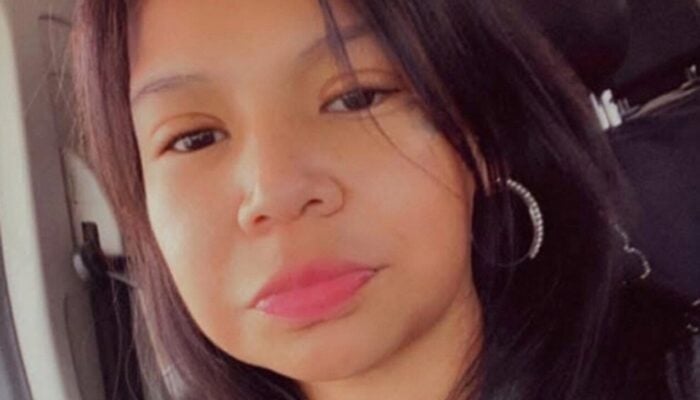
The family of a northern Ontario First Nation woman who died after she couldn’t get to crucial medical appointments following open-heart surgery has asked provincial police to investigate her death.
Eva Mamakwa said her 31-year-old daughter, Miranda Mamakwa, died in September after Indigenous Services Canada’s non-insured health benefits program did not arrange travel for her followup appointments after the April surgery.
Miranda Mamakwa lived in Fort Severn First Nation, a remote fly-in community on the mouth of the Severn River on Hudson Bay, with her three children and her parents.
The NIHB program for First Nations and Inuit people covers medical, dental and mental health care not available through private insurance or provincial health plans.
The family now wants Ontario Provincial Police to launch a criminal investigation into the individuals at NIHB who dealt with Mamakwa’s case. They allege the Sioux Lookout, Ont., branch of the program failed to arrange travel to medical appointments on four separate occasions from May through August, including appointments with cardiovascular specialists.
“This should never have happened to Miranda,” her parents, Eva Mamakwa and Mike Bluecoat, said in a statement.
“She should be alive today. We deserve to know how something like this happened, and we want the individual or individuals responsible for failing to respond to these urgent requests for transportation to be held accountable. They cost Miranda her life. They cost her children a future without their mother.”
The family sent a letter to police on Thursday with their request, their lawyer Julian Falconer said.
The OPP did not respond to a request for comment from The Canadian Press.
“We have created an apartheid system in this country as it relates to the delivery of medical services to Indigenous people. It must stop,” Falconer said in a statement.
Indigenous Services Canada has said it is working to improve the medical travel service and implemented a simplified travel submission process in early October. Indigenous Services Minister Mandy Gull-Masty has said her department is reviewing the circumstances of the case, and that Mamakwa’s community and family deserved answers.
Mamakwa’s doctors wanted followup care because she had blood clots and was taking blood thinners that required ongoing testing, her mother previously told The Canadian Press.
She tried to arrange travel through the First Nation’s nursing station, whose staff were trying to deal with the NIHB, but her family said they just never arranged travel. Her mother said the people in the program “didn’t care.”
In mid-August, Miranda Mamakwa became fed up with the program and wrote on Facebook: “If I die, pls go after em.”
She died of a brain hemorrhage on Sept. 8, her family said.
First Nation chiefs have for years sounded the alarm on the non-insured health benefits program. Several hundred First Nation leaders and community members held a sit in at the NIHB office in Sioux Lookout this summer as they demanded change.
Last month, more than a dozen First Nations and tribal councils filed a human rights complaint alleging widespread neglect of community health needs and seeking reform of the program. Collectively, they cite hundreds of missed medical appointments for those who live in northern Ontario’s remote fly-in communities.
Indigenous Services Canada has said the department takes seriously any complaints to the Canadian Human Rights Commission, and that it would respond “through the appropriate process.”
This report by The Canadian Press was first published Oct. 30, 2026.
Liam Casey, The Canadian Press