LATEST STORIES:

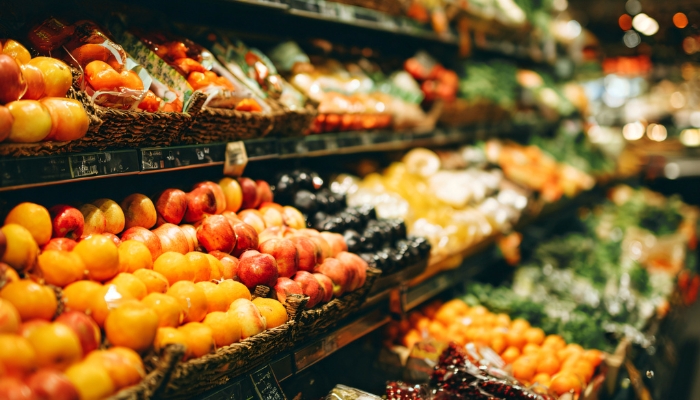
A new report suggests the average Canadian household is spending only $23 more per month on groceries than they did last year, a figure local shoppers say feels staggeringly low.
According to the latest Canadian Food Sentiment Index released by Dalhousie University on Tuesday, monthly grocery expenditures have risen by an average of 4.6 per cent.
“We were expecting that; it could have been more,” said Sylvain Charlebois, director of the Agri-Food Analytics Lab at Dalhousie University. “Generally speaking, we’re just looking at a marketplace that is still quite frugal, to be honest. And they’re coping with higher prices.”
Outside a Fortinos in Waterdown, shoppers were quick to dispute the $23 average, with many claiming their bills have climbed much higher.
“Oh my goodness, at least, every week, about $100 to $150 for sure,” said one shopper.
Another resident added, “In the last year, I don’t know. But I keep saying, ‘I feel like I’m paying double what I paid a very short time ago.'”
READ MORE: WestJet the latest airline to hike baggage fees amid sky-high jet fuel prices
The study, which surveyed 3,000 people, found that over 80 per cent of respondents identify food as the household expense that has increased the most. Charlebois noted that many Canadians are turning to credit to keep their pantries full.
“People are spending more, but there are people using credit and debt to pay for food,” Charlebois said. “Thirty-four per cent, which is an alarming percentage.”
These figures do not yet account for the impact of rising fuel prices. Charlebois expects grocery prices to rise a further five per cent to six per cent due to the ongoing war in Iran, which is forcing customers to find creative ways to save.
Some shoppers admitted to “bypassing” premium grocers like Fortinos and Longo’s in favour of discount stores like Walmart and No Frills.
The rising costs are also changing Canadian diets, with nearly 45 per cent of those surveyed cutting back on items like red meat.
“Beef, we’ve really cut back because it’s too expensive,” said one resident. “So it’s once in a while for a treat.”
Another shopper noted, “I tend to stop at more than one store in order to get my groceries, which I never did before.”
In addition to traditional bargain hunting, new tools like food-rescue apps are gaining traction as Canadians look for any possible relief at the checkout.
WATCH MORE: How might the war in Iran impact your summer travel plans?