
LATEST STORIES:

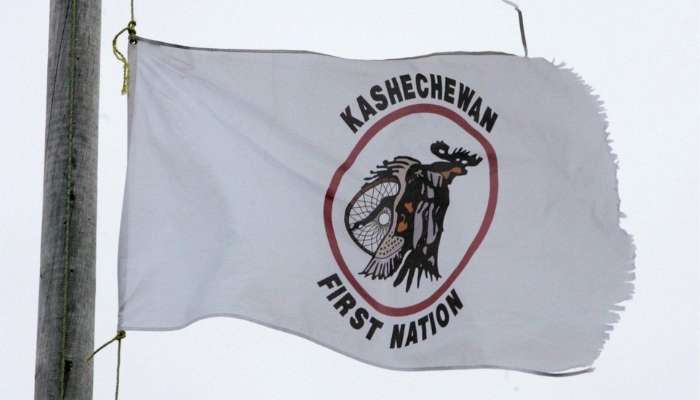
Officials in a northern Ontario First Nation that was largely evacuated after the failure of its water system say at least 28 people from the community have tested positive for a parasite that causes gastrointestinal illness.
They say testing showed that 28 people from Kashechewan First Nation have cryptosporidium and two of them also have another parasite called dientamoeba fragilis.
The exact cause of the infections is under investigation but both parasites have been linked to contaminated water and food, among other sources.
About 400 people remain in their homes in the 2,200-member community after failures of local water supply and sewage systems forced hundreds to evacuate.
Officials at the fly-in community on the western shore of James Bay declared a state of emergency on Jan. 4 after infrastructure damage created an urgent public health and safety issue, with sewage creeping into people’s homes and contaminating fresh water systems.
Indigenous Services Canada says repairs to the community’s water treatment plant have been completed and it is operational, but residents are still advised not to consume the water while more testing is done.
The department says cryptosporidium causes gastrointestinal symptoms and most cases resolve on their own over a couple of weeks without medication, although some people may need antimicrobial treatment.
It says the parasite is transmittable and health officials are investigating its cause in Kashechewan.
“Sources for the cryptosporidium parasite vary widely and can be found in the environment such as soil, lake water, and animal feces,” department spokesperson Eric Head said in an emailed statement.
“People can become infected when they ingest water or food that has been contaminated with infected feces, or through direct contact with someone who is sick when hand hygiene is suboptimal.”
This report by The Canadian Press was first published Jan. 22, 2026.
The Canadian Press