HAPPENING NOW:

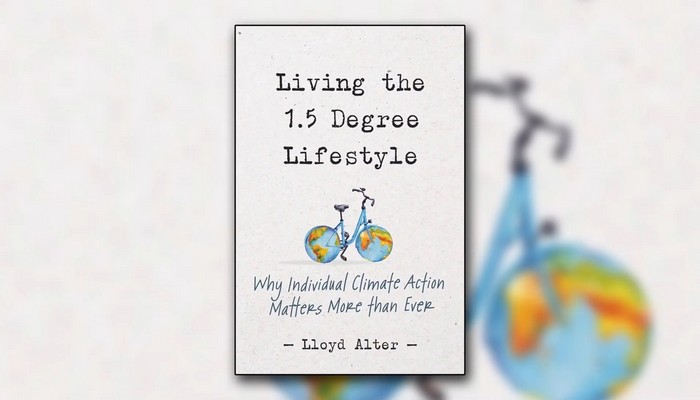
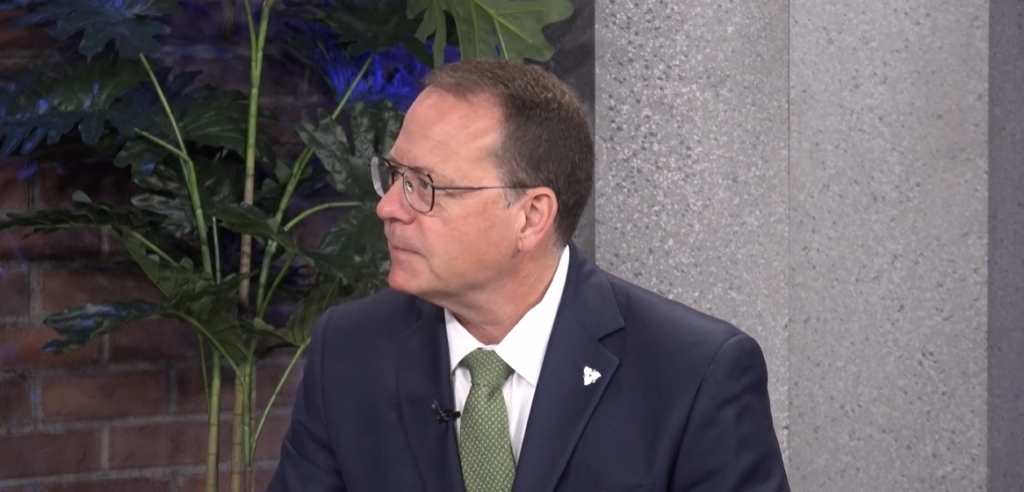
We’ve been hearing a lot about having to keep global heating below 1.5 degrees. Does doing anything in your own household actually help? Lloyd Alter joined us this morning to show us how in his new book, Living the 1.5 Degree Lifestyle.
Alter’s book argues that the key to keeping the global temperature below 1.5 degrees has to do with consumption, not production.
“When the oil companies make gasoline, we put it in our cars,” said Alter. “As we saw during the pandemic, when we weren’t filling out cars and weren’t getting on planes, then they were selling a lot less.”
During the pandemic, air quality had improved. However, plastic waste rose. Alter says people put too much emphasis on plastic and less emphasis on factors like, functionally driving, the way people heat their houses and what people eat.
“[With a take-out dinner] which I never used to [order] because I was worried about the plastic, the biggest impact of the whole dinner was actually the delivery guy driving it to my house,” said Alter.
He says some people are not aware of the carbon emissions involved in things they may think are good for the environment. For example, he says if someone buys a new electric car or an appliance for their home that uses less energy, there is a huge amount of carbon dioxide emitted when making the steel, plastic and batteries within these products.
“You have to think about the full life cycle of [a product],” said Alter. “One of my biggest carbon footprint items is my love of Apple hardware…my [Apple watch], which is just a tiny little thing, has a carbon footprint of around 30 kilograms of carbon dioxide.”
Alter kept a journal of his carbon footprint before the pandemic. He says a simple plane ride had massive effects.
“I blew a month’s worth of carbon in a 36-hour trip,” said Alter.
He also says the difference between having a shower and having a bath can produce a lot of carbon dioxide. The gas used to heat the water and the energy involved in moving the water takes a third of the energy involved in having a bath.
His book Living the 1.5 Degree Lifestyle is available in bookstores and online.