LATEST STORIES:

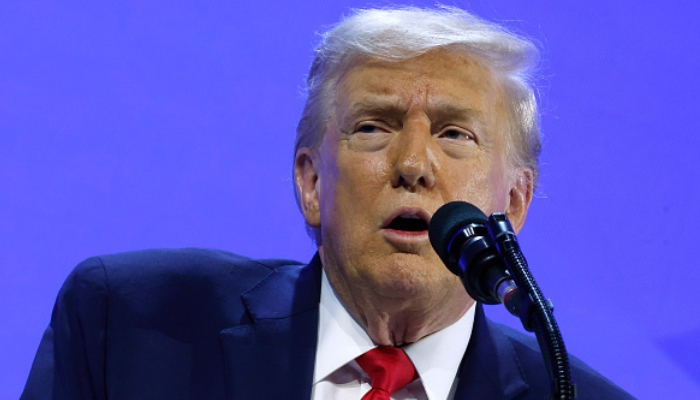
In an 11th hour decision, the U.S. and Iran have agreed to a two-week ceasefire. It comes after U.S. President Donald Trump threatened to destroy a “whole civilization” if the Strait of Hormuz wasn’t reopened.
The first round of negotiations between Iran and the U.S. is expected to take place in Pakistan Friday.
Trump hasn’t made any on-camera remarks about the truce just yet. But U.S. Vice President JD Vance says the deal has been misrepresented within Iran while speaking at an event in Hungary.
“If the Iranians are willing, in good faith, to work with us, I think we can make an agreement. If they’re going to lie, if they’re going to cheat, if they’re going to try to prevent even the fragile truce that we’ve set up from taking place, then they’re not going to be happy because what the president has also showed is that we still have a clear military, diplomatic – and maybe even most importantly, we have extraordinary economic leverage,” said Vance.
The vice president continued, “So the president has told us not to use those tools. He’s told us to come to the negotiating table. But if the Iranians don’t do the exact same thing, they’re going to find out that the president of the United States is not one to mess around.”
Trump called Iran’s 10-point proposal workable to start negotiating in a post he made just an hour and a half before his deadline expired.
The paused attacks all hinge on the “complete, immediate and safe opening of the Strait of Hormuz.”
Iran’s proposal to end the war include a withdrawal of U.S. combat forces from the region, the lifting of sanctions and the release of frozen assets.
Iran’s foreign affairs minister also said that it would control and charge ships passing through the Strait of Hormuz and continue enriching uranium — a key to building nuclear weapons.
Israel supports the U.S. ceasefire but Prime Minister Benjamin Netanyahu said it doesn’t include Lebanon, despite conflicting statements from Pakistan which said the ceasefire did include the Middle Eastern country.
Strikes continued this morning with Israel’s military saying it’s continuing targeted ground operations against Hezbollah.
When it comes to the global economic disruption from this war, the head of the International Air Transport Association says it could take months before jet fuel prices recover, even if the Strait of Hormuz reopens under the ceasefire.
WATCH MORE: Global concern grows as Trump threatens Iran over Hormuz deadline