LATEST STORIES:

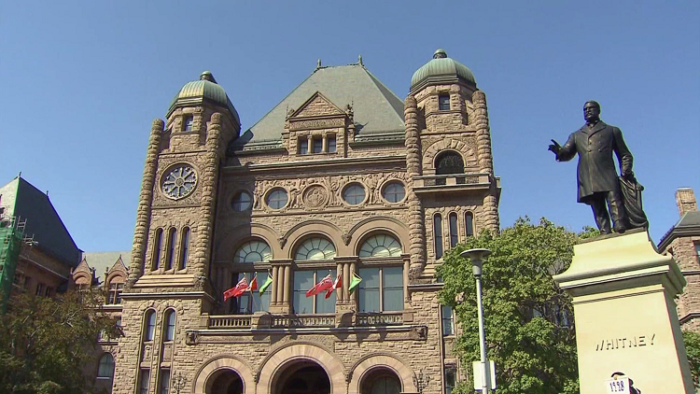
A number of changes to provincial legislation are beginning on Jan. 1, 2026.
Changes will affect nearly every ministry at the provincial level, with the most major being in the Ministry of Labour, Immigration, Training and Skills Development.
Ontario is introducing a new “as of right” approach to the Ontario Labour Mobility Act, welcoming workers from other parts of the country.
This is in an attempt to reduce barriers for workers looking to move to Ontario from other provinces.
It would allow “certified professionals” from other parts of the country to start working in Ontario within 10 business days and for up to six months while completing their full registration.
This applies to professionals from more than 50 non-health regulated authorities and 300 certifications — this includes engineers, architects and electricians.
It will also include additional regulation in an attempt to encourage compliance and increased transparency from the impacted industries.
Amendments to the Employment Standards Act requires employers with more than 25 employees to disclose expected pay in publicly advertised job postings and if they are using artificial intelligence in the hiring process.
The province says this is an attempt to help those looking for jobs make informed decisions about their careers, as well as addressing barriers for immigrants looking for work that corresponds to their experience.
Additional changes under the act include Working for Workers Five Act, which makes it mandatory for employers to disclose whether a vacancy still exists for a posted job and to respond to interviewees within 45 days of the interview.
Ontario’s government is requiring public job posting platforms to implement procedures for reporting and tackling fraudulent job postings.
An amendment to the Ontario Immigration Act aims at expanding eligibility for physicians to practice in the province.
This will be done by updating the list of eligible license classes for self-employed physicians applying for the Ontario Immigrant Nominee Program.
The “as of right” rules will also apply to 16 additional out-of-province health professions, including optometrists, pharmacists, physician assistants and dentists.
The provincial government is also expanding the practice of midwives and Indigenous midwives. Changes are also coming to the provincial newborn and prenatal screening programs. Twenty-nine tests have been added to the list of tests that midwives can order and adds multiple tests to the province’s prenatal screening program.
The Government of Ontario is looking to crack down on “reckless and dangerous driving behaviours.”
Several amendments have been made to the Highway Safety Act including lifetime driving bans for people convicted of impaired driving causing death, mandatory training for first-time alcohol and drug-related offences on the road and increased licence suspensions for people convicted of vehicle theft. That would include a lifetime suspension on third convictions.
The province will no longer recognize Canadian Disability Benefit payments as income when determining eligibility for child care fee subsidies.
Ontario is expected to release a list of recyclable materials in attempt to eliminate confusion ahead of garbage day. This is because control of blue box programs will shift over to manufacturers and producers and away from municipalities.
The provincial government is changing regulation and setting a minimum retail price for five-litre containers of wine sold in grocery and convenience stores.
Changes will also be made to eliminate restrictions on displaying alcohol sales and energy drinks next to each other.
With files from the Canadian Press.