
LATEST STORIES:

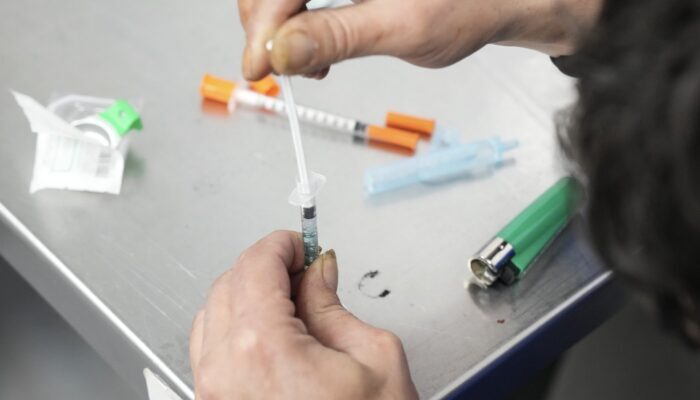
Ontario’s remaining supervised consumption sites will be forced to close after Premier Doug Ford’s government informed them Friday that the province is planning to pull their funding, harm reduction advocates say.
Janet Butler-McPhee, co-executive director of the HIV Legal Network, said advocacy groups learned of the move late in the day and do not yet have full details of the decision.
The move would affect the last two provincially funded supervised consumption sites in Toronto, as well as sites in Ottawa, London, Kingston and Peterborough.
A letter from the Ministry of Health to the Fred Victor Centre, one of the two Toronto sites, says its provincial funding for consumption and treatment services will end as of June 13.
“This decision reflects Ontario’s commitment to prioritizing treatment, recovery and supports that help individuals move toward long-term stability while protecting Ontario communities,” the letter says.
The ministry did not respond to a request for comment Friday.
In 2024, Ford’s government banned consumption sites within 200 metres of a school or daycare, targeting 10 sites across the province for closure by the end of March 2025.
Most of those sites chose to convert to the province’s new abstinence-based model — homelessness and addiction recovery treatment, or HART hubs — and closed.
The government has also banned new consumption sites from opening altogether as it moves away from harm reduction to an abstinence-based model. The letter sent to Fred Victor Centre notes the province will spend nearly $550 million to open HART hubs across Ontario.
Fred Victor CEO Keith Hambly said the centre is “deeply disappointed” by the government’s decision to end funding for all remaining supervised consumption sites in the province.
“These services are a critical part of a compassionate and evidence-based response to the ongoing overdose crisis. They save lives and connect vulnerable people to essential health and social services,” he said in a statement.
“In the coming weeks, our focus remains on supporting our dedicated staff and the clients who depend on them.”
Butler-McPhee called the province’s decision to defund the remaining sites a “cowardly move.”
“People will die without access to the life-saving care they receive at these sites. The sites exist within our communities and make them better and safer for everyone,” she said at a virtual press conference Friday.
Meanwhile, Zoe Dodd, an organizer with the Toronto Overdose Prevention Society, described the news as “absolutely appalling.”
“Wait times are still long for treatment and all these other things that the government has promised. This decision today is deadly. We’re angry about this decision, and we will be fighting,” she said at the press conference.
The Canadian Civil Liberties Association said in a press release Friday that it “strongly condemns” the decision to defund consumption sites, calling it “misguided.”
“This is a moment that demands expanded, evidence-based supports — not reduced access to critical, lifesaving health-care services,” the association said.
“We call on the Ontario government to reverse its decision to defund safe consumption sites and to uphold the safety, health, and dignity of all people, including those with addiction to substances.”
This report by The Canadian Press was first published March 13, 2026.
–With files from Liam Casey
Rianna Lim, The Canadian Press